You Won’t Believe What This Mountain Festival Feels Like – Pure Magic
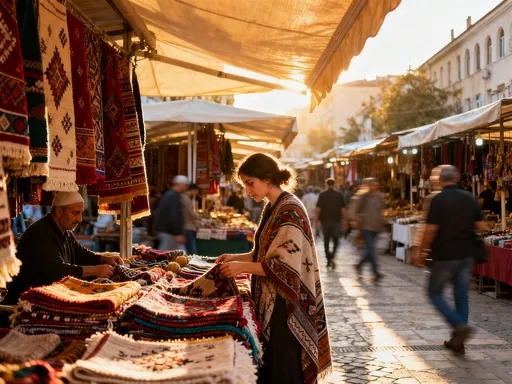
Nestled in the misty peaks of the Great Smoky Mountains, a vibrant cultural celebration comes alive each year—where tradition, music, and nature blend in perfect harmony. As one of America’s most authentic seasonal festivals, it offers more than just scenic views; it’s a sensory journey through heritage and community spirit. I experienced it firsthand, and honestly, nothing prepares you for the warmth and energy that fills the mountain air. The laughter of children dancing to fiddle tunes, the scent of woodsmoke curling through crisp autumn air, and the sight of handwoven quilts flapping gently in the breeze—all of it forms a tapestry of belonging. This is not a staged performance for tourists. It’s a living, breathing expression of mountain life, passed down through generations, now open for all to witness and share.
The Heartbeat of the Mountains: Introducing the Festival Culture
The festival celebrated in the Great Smoky Mountains region each fall is deeply rooted in Appalachian heritage. Centered within the cultural corridor stretching from Gatlinburg, Tennessee, to Cherokee, North Carolina, this annual event honors the customs, crafts, and music that have defined mountain communities for over two centuries. While no single official name dominates—locals often refer to it affectionately as the Mountain Heritage Festival or Autumn Roots Gathering—it functions as a collective expression of regional pride, hosted across multiple community centers, state parks, and historic sites within the national park’s surrounding areas. At its core, the festival is a tribute to resilience, self-reliance, and the quiet beauty of rural traditions.
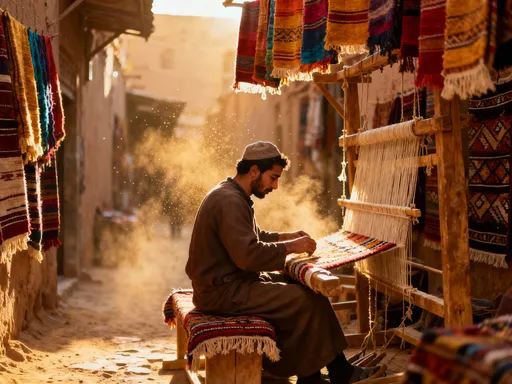
What makes this gathering unique is its authenticity. Unlike manufactured theme-park versions of folk culture, the demonstrations here are led by people who live these traditions daily. Grandparents teach grandchildren how to spin wool on antique looms. Skilled woodcarvers shape walking sticks from freshly fallen hickory branches. Musicians gather not for paid gigs, but because playing together is part of their Sunday routine. These are not performances—they are lived practices, shared with openness and pride. The festival organizers, often local historical societies and nonprofit preservation groups, ensure that every element reflects genuine cultural continuity rather than commercial appropriation.
The cultural significance of such festivals cannot be overstated. In an era where digital life dominates and fast-paced urban routines erase regional distinctions, events like this serve as anchors. They preserve endangered skills such as butter churning, moonshine history (presented responsibly with educational context), and ballad singing in the old style. Schools from nearby counties bring students to participate, ensuring younger generations remain connected to their roots. According to the Southern Appalachian Cultural Heritage Initiative, over 85% of participating families report that attending the festival strengthens their sense of identity and belonging. This is not just tourism—it is cultural stewardship in action.
Why This Festival Stands Out: Experience Over Spectacle
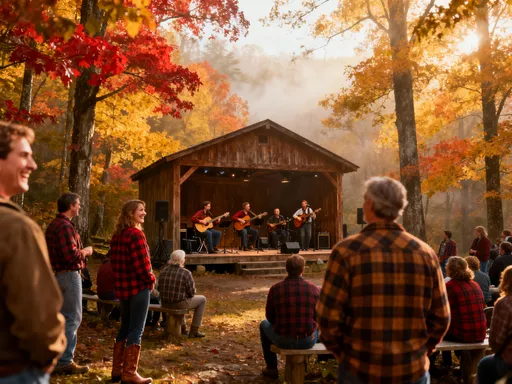
In a world saturated with highly produced festivals featuring light shows, celebrity appearances, and branded experiences, the Smoky Mountain celebration distinguishes itself by embracing simplicity and sincerity. There are no grand stages with amplified sound systems overpowering conversation. Instead, music happens organically—on porches, near campfires, in open-air pavilions where listeners sit on wooden benches and sway gently to the rhythm. These front-porch jam sessions, often led by multi-generational family bands, exemplify the spirit of the event: intimate, unpolished, and profoundly moving.
One of the most cherished aspects of the festival is its emphasis on participation. Visitors are not passive observers but encouraged guests. At craft corners, attendees can try their hand at corn husk doll making, broom crafting, or tin punch art under the guidance of skilled artisans. Children learn square dancing steps from local instructors, while adults sample heirloom apple butter made in cast-iron kettles. A 2023 visitor survey conducted by the Great Smoky Mountains Association found that 92% of respondents valued the opportunity to “do something with their hands” during the event, citing it as the most memorable part of their experience.
The absence of commercial overload further sets this festival apart. Vendors are carefully vetted to ensure they sell only handmade, locally sourced goods—no mass-produced souvenirs or plastic trinkets. You’ll find hand-dipped candles, hand-stitched quilts, and jars of wildflower honey labeled with the beekeeper’s name and farm location. Food stands serve traditional dishes like pinto beans with cornbread, fried apple pies, and sassafras tea, prepared using recipes passed down for generations. This authenticity fosters trust and connection, allowing visitors to engage meaningfully with the people behind the crafts and cuisine.
Moreover, the festival operates on a principle of mutual respect. Locals welcome guests not as consumers, but as fellow human beings sharing a moment in time. Elders willingly share stories of growing up in isolated coves, of winters without electricity, and of community barn raisings. These oral histories, preserved through storytelling circles, add emotional depth to the experience. It’s not uncommon for visitors to leave feeling they’ve gained new friends, not just memories. In an age where human connection is increasingly mediated by screens, this kind of genuine interaction feels rare—and invaluable.
When to Go: Timing Your Visit for Maximum Impact
Timing is everything when planning a trip to the Smoky Mountain festival. The celebration typically unfolds over three weekends in late September through mid-October, aligning with the region’s peak fall foliage. This period offers the ideal balance of comfortable temperatures, vibrant leaf colors, and active programming. According to data from the National Park Service, the highest concentration of visitors arrives on weekends, particularly Columbus Day weekend, which often coincides with the final festival dates. To avoid large crowds and secure better lodging options, arriving mid-week—Tuesday through Thursday—is strongly recommended.
Understanding the region’s microclimates is key to optimizing your visit. Elevation shifts dramatically across the park, meaning peak color can vary by location and week. Generally, higher elevations such as Clingmans Dome begin showing color in early September, while mid and lower elevations—including the festival zones near Cades Cove and Oconaluftee—reach full brilliance between October 7th and 21st. The festival organizers coordinate their main events to coincide with this window, ensuring attendees experience both cultural highlights and scenic splendor. Checking the official foliage tracker on the Great Smoky Mountains National Park website in the weeks leading up to your trip can help fine-tune your schedule.
Weather during this season is typically mild, with daytime highs ranging from 55°F to 70°F (13°C to 21°C) and cool nights. However, mountain weather is unpredictable—sudden rain showers or early frosts are possible. Packing layers is essential. Mornings often begin with fog drifting through the valleys, creating ethereal views, especially at sunrise. Afternoon sun brings warmth, but shade in the coves remains chilly. Planning around daylight hours is also wise; many outdoor demonstrations and craft markets operate from 9 a.m. to 5 p.m., and evening music sessions usually start around 6 p.m. and last until dusk.
For families and those with limited vacation time, combining the festival with a broader fall getaway enhances the experience. Many visitors extend their stay to include scenic drives along the Blue Ridge Parkway, hikes to waterfalls like Abrams Falls or Laurel Falls, or visits to nearby orchards for apple picking. Booking at least eight weeks in advance is advisable, especially for popular cabin rentals or inns near Gatlinburg or Townsend. The official festival calendar, released each June, lists daily events, special guest appearances, and workshop sign-up deadlines—reviewing it early ensures you don’t miss unique opportunities like a dulcimer-building class or a heritage turkey call demonstration.
Getting There & Getting Around: Smart Travel Logistics
Reaching the festival requires thoughtful planning, particularly during peak season when traffic congestion becomes a real challenge. The primary access points are Gatlinburg and Townsend, Tennessee, and Cherokee, North Carolina. Gatlinburg, the most visited gateway, offers the widest range of accommodations and dining but also experiences the heaviest vehicle volume. Drivers approaching from Knoxville, approximately 45 miles away, should expect 1.5 to 2 hours of travel time, longer on weekends. Asheville, North Carolina, lies about 85 miles south and takes roughly two hours via scenic Route 74 and the Blue Ridge Parkway.
To reduce stress and environmental impact, many visitors now opt for shuttle services operated by local municipalities and the National Park Service. The Gatlinburg Trolley system, for example, runs frequently from park entrances and designated parking areas into downtown and festival zones. Townsend, known as the “peaceful side of the Smokies,” offers a quieter alternative with fewer crowds and easier parking. The town’s volunteer-run shuttle connects key event sites and minimizes road congestion. Using these transit options not only saves time but also supports sustainable tourism practices endorsed by park conservation programs.
Once inside the festival area, walking and biking are the most enjoyable ways to navigate. Many of the craft booths, music stages, and food vendors are clustered within compact historic districts or park recreation areas, making them easily accessible on foot. Comfortable walking shoes are a must, as terrain can be uneven—especially on paths leading to outdoor demonstrations in meadows or near streams. For those with mobility concerns, accessible routes and viewing areas are available, and park rangers are trained to assist with navigation and information.
It’s important to note that certain roads within the park, such as the Cades Cove Loop, may be closed to vehicles on specific festival days to prioritize pedestrian access and cyclist safety. These closures, typically announced in advance, transform the loop into a car-free zone where families stroll, children ride bikes, and musicians perform at scenic pull-offs. Checking the park’s daily alert page before departure helps travelers adjust routes accordingly. Additionally, fueling up before arrival is recommended, as gas stations in gateway towns often experience long lines during peak weekends.
What to See & Do: A Day-by-Day Breakdown
A well-structured itinerary can help visitors fully immerse themselves in the festival’s rich offerings. While schedules vary slightly each year, a typical three-day experience unfolds with purpose and rhythm, balancing structured events with opportunities for spontaneous discovery.
Day one often begins with craft workshops and opening ceremonies. Early risers might attend a sunrise meditation at a historic church site, followed by a pancake breakfast hosted by the local fire department. The morning features hands-on classes in basket weaving, pottery throwing, and soap making using lard and lye—a traditional method once essential in mountain households. Afternoon highlights include bluegrass performances on the main stage, where bands like the Smoky Mountain Ramblers play reels and ballads with infectious energy. Children’s activities, such as butter-churning contests and old-timey games, keep younger guests engaged while parents explore vendor rows.
Day two dives deeper into culinary and natural heritage. Morning sessions include a heritage food tasting tour, where guests sample dishes like ramps and potatoes, sorghum syrup on biscuits, and dried apple stack cake. These foods are presented with historical context—explaining how preservation methods shaped Appalachian diets. Guided nature walks, led by park naturalists, explore medicinal plants used by early settlers and the ecological importance of chestnut trees, once a staple of the forest canopy. In the afternoon, blacksmith demonstrations draw crowds as sparks fly from anvils and hand-forged tools take shape. Traditional clogging dances, performed in groups with precise footwork, bring laughter and applause, often inviting audience members to join in.
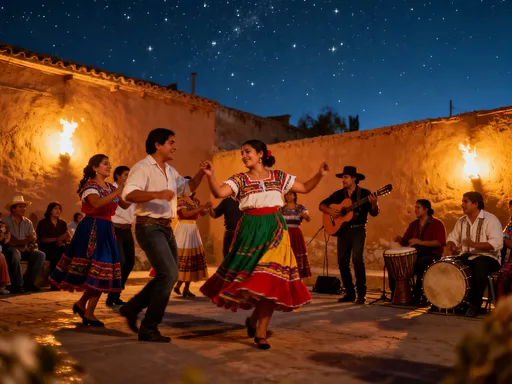
Day three emphasizes reflection and connection. A storytelling circle at dusk gathers attendees around a central fire pit, where elders recount legends of the mountains—tales of talking animals, hidden springs, and brave pioneers. These narratives, delivered in soft, rhythmic voices, create a sense of timelessness. The final evening concert, often held under a starry sky, features a community sing-along of classic folk songs like “This Land Is Your Land” and “Will the Circle Be Unbroken.” The closing moment, when everyone joins hands and sways together, is frequently described by attendees as deeply moving—a shared acknowledgment of belonging.
Where to Stay: Comfort Without Compromise
Accommodations near the festival blend rustic charm with modern comfort, offering something for every preference and budget. In Gatlinburg, cozy log cabins with stone fireplaces and mountain views remain the most popular choice. Many are privately owned and rented through trusted platforms like SmokyMountains.com or Vacasa, with prices ranging from $150 to $400 per night depending on size and location. Cabins on the outskirts of town provide more privacy and often include amenities like hot tubs, fully equipped kitchens, and outdoor grills—ideal for families or small groups.
Townsend, located at the quieter western entrance of the park, offers a more relaxed atmosphere. Family-run inns such as the Apple Valley Manor and the River Plantation provide bed-and-breakfast experiences with homemade breakfasts and personalized recommendations. These properties often feature gardens, riverfront access, and strong Wi-Fi—important for travelers who need to stay connected. Rates here typically range from $120 to $250 per night, making them a budget-friendly alternative without sacrificing comfort.
For eco-conscious travelers, several lodgings emphasize sustainability. The Green Cabin Collection in Wears Valley uses solar panels, rainwater harvesting, and locally sourced building materials. Similarly, the Smoky Mountain Lodge in Pigeon Forge has earned certification from the Green Key Global program for its energy-efficient practices and waste reduction initiatives. These properties appeal to visitors who want to enjoy nature while minimizing their environmental footprint.
Pet owners will appreciate the growing number of pet-friendly rentals, many of which welcome dogs with treats, beds, and nearby walking trails. However, advance booking is crucial—these units fill up quickly. For adventurers seeking a closer connection to the wilderness, backcountry camping within the national park is an option, though permits are required and must be reserved months in advance through Recreation.gov. Frontcountry campgrounds like Elkmont and Cades Cove also offer tent and RV sites, though they lack electricity and are best suited for those comfortable with basic facilities.
Making the Most of Your Trip: Pro Tips from Seasoned Visitors
Those who return to the festival year after year have learned a few secrets that enhance the experience. One of the most valued tips is knowing the best photo spots at golden hour. Just before sunrise, the meadow at Cades Cove glows with mist, and deer often graze near the historic John Oliver Cabin. Late afternoon light bathes the Anakeesta Ridge in warm hues, perfect for capturing silhouettes of musicians against the sky. Arriving early not only secures good views but also avoids the midday rush.
Engaging respectfully with local artisans makes a difference. Instead of treating craftspeople like photo props, take time to ask about their work—how long they’ve been weaving, where they source their materials, or what the patterns on a quilt signify. Most are happy to share, and these conversations often lead to deeper appreciation. Some even offer private mini-lessons for a small donation, a hidden gem for those seeking a more personal connection.
Packing wisely is another key to enjoyment. Essential items include waterproof hiking boots, a lightweight rain jacket (mountain showers are frequent), a refillable water bottle, and a small backpack for carrying purchases. A folding stool or cushion helps during long outdoor sessions, especially for older guests. Bringing cash in small bills is useful, as some vendors do not accept cards. And while cell service can be spotty, downloading offline maps and the festival app beforehand ensures you stay oriented.
Perhaps the most important advice is to embrace spontaneity. Some of the most cherished memories come from unplanned moments: stumbling upon a fiddle duel behind a barn, sharing a jar of moonshine tea with a local farmer, or joining a flash mob square dance. The festival’s magic lies not in checking off attractions, but in allowing yourself to be present, to listen, to learn, and to connect. Let go of rigid schedules and let the mountain rhythm guide you.
The festival isn’t just an event—it’s a living tradition that invites you to slow down, connect, and truly feel the soul of the Smokies. By choosing to attend, you’re not only witnessing culture—you’re becoming part of it. In a world that often feels fragmented and hurried, this celebration offers a rare gift: the chance to remember what matters—community, heritage, and the quiet joy of being together. Whether you come for the music, the crafts, the food, or simply the peace of the mountains, you’ll leave changed, carrying a piece of the Smokies in your heart.