Tahiti’s Hidden Pulse: Where Trails Meet Celebration
Tahiti isn’t just turquoise waters and overwater bungalows—there’s a deeper rhythm beating beneath its lush peaks. I stepped off the beaten path and into vibrant local life, where hiking trails lead not just to waterfalls, but to festivals alive with drumbeats, dance, and ancestral pride. You’ll discover how trekking during Tahiti’s celebration season transforms a simple walk into a soulful journey through culture, nature, and community. This is travel that moves your body *and* your heart. More than a destination, Tahiti reveals itself as a living entity—an island where mountains breathe history, rivers carry song, and every trail connects not only places but people, past and present.
The Living Landscape: Tahiti Beyond the Postcard
Tahiti is often celebrated for its postcard-perfect lagoons and luxury resorts, but its true essence lies in the emerald folds of its interior. The island’s dramatic topography—formed by ancient volcanic eruptions—creates a landscape of steep ridgelines, misty summits, and secluded valleys hidden from the coast. These are not just scenic backdrops; they are the cradle of Tahitian identity. Deep within the Papenoo Valley, streams cascade down moss-covered cliffs, while breadfruit and banana trees sway in the mountain breeze. Here, the land is not separate from culture—it is part of it.
For centuries, Tahitians have lived in harmony with this terrain, drawing sustenance, stories, and spiritual guidance from the mountains and rivers. Many trails follow ancient pathways once used by chiefs, priests, and farmers, connecting sacred sites, family lands, and communal gathering spaces. Walking these routes today offers more than physical challenge; it offers passage into a worldview where nature is animate, respected, and deeply intertwined with daily life. The scent of tiare flowers drifts through the air on warm updrafts, and the distant echo of pahu (drum) beats can sometimes be heard rolling down the valleys—a reminder that life here pulses to a different rhythm.
Unlike the curated tranquility of beachfront resorts, the interior reveals Tahiti in its most authentic form. There are no staged performances or commercialized attractions—only real communities living on ancestral land. Hiking becomes a form of quiet communion, allowing visitors to witness the island’s soul without intrusion. This is not tourism as spectacle, but as participation. Each step forward is an invitation to listen, observe, and honor a way of life that has endured for generations.
Why Timing Matters: Hiking in Sync with Festival Season
The magic of Tahiti deepens when travel aligns with its cultural calendar. The most significant time to visit is during the annual Heiva i Tahiti, a month-long celebration held each July that honors Polynesian heritage through dance, music, craftsmanship, and traditional sports. This is not a tourist show—it is a profound expression of identity, a time when families come together, villages prepare for weeks, and the entire island resonates with pride and energy.
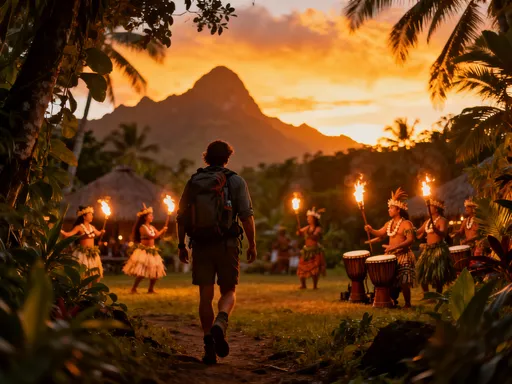
For hikers, timing a trek to coincide with Heiva transforms the experience from scenic exploration to cultural immersion. Many trails naturally lead toward villages where festivities unfold in open-air arenas or community greens. A day spent climbing through the Fautaua Valley might culminate in arriving at a village just as drummers take their places and dancers in vibrant pareo and feathered headdresses begin their powerful, synchronized movements. The physical exertion of the hike intensifies the emotional impact of the celebration, creating a moment of deep connection between body, land, and spirit.
The rhythm of the festival mirrors the rhythm of the land itself—cyclical, grounded, and alive. Just as the seasons shape the growth of crops and the migration of fish, Heiva marks a seasonal return to tradition. Dancing, chanting, and drumming are not merely performances; they are acts of remembrance, storytelling, and spiritual renewal. When hikers arrive at these moments after a long walk through the hills, they are not outsiders looking in—they are participants in a shared human experience, having earned their place through effort and respect.
Even outside Heiva, smaller celebrations occur throughout the year—local feasts, religious holidays, and family gatherings. These too offer opportunities for meaningful encounters, especially when approached with humility. The key is awareness: checking local event calendars through official tourism channels, speaking with guesthouse hosts, or consulting community boards can reveal when and where these moments will unfold.
Choosing the Right Trails: Pathways to Culture and Scenery
Selecting the right trail is essential to weaving together nature and culture. Tahiti offers a range of hikes suitable for different fitness levels, each with its own character and potential for cultural connection. One of the most accessible and rewarding is the Mount Aorai trail near Papeete. This moderately challenging route climbs through dense forest to a ridge with panoramic views of the capital, the ocean, and neighboring peaks. Along the way, hikers pass remnants of ancient stone platforms and hear stories of the mountain’s spiritual significance.
Further east, the Papenoo Valley is renowned for its dramatic waterfalls and lush jungle scenery. Trails here often follow riverbeds, crossing clear streams and passing by traditional homes built on elevated stone foundations. Some routes lead directly to community centers where families gather during festivals. The valley is also known for its historical role in Tahitian resistance and leadership, adding a layer of depth to the journey. Guided hikes in this area frequently include stops at local farms where visitors can taste fresh fruit and learn about traditional agriculture.
For those seeking a gentler experience, the Faiara Ridge Walk offers sweeping views with minimal elevation gain. This trail winds along a grassy spine above the coast, perfect for early morning or late afternoon hikes. It’s common to encounter local families walking the path for exercise or meditation, and conversations often begin with a warm *mauruuru* and a smile. These informal exchanges are among the most authentic cultural moments a traveler can experience.
When choosing a trail, consider not only difficulty but proximity to villages and event spaces. Routes that end near communal areas increase the chance of encountering celebrations. Always check trail conditions before departure—rain can make paths slippery, and flash floods occasionally affect river crossings. Wear sturdy footwear with good grip, carry plenty of water, and dress in moisture-wicking clothing. Sun protection is vital, as shade is limited on exposed ridges. With thoughtful preparation, every hiker—from beginner to experienced—can find a path that leads to both beauty and meaning.
The Hike-Festival Connection: When Nature Leads to Celebration
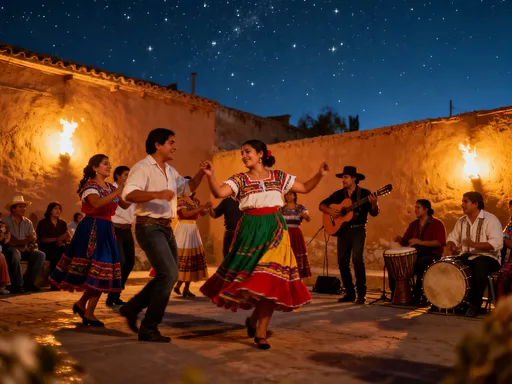
There is a singular moment—rare and unforgettable—when the physical journey meets cultural celebration. Imagine descending a steep trail after hours of walking through humid forest, your clothes damp with sweat, your legs tired but strong. You emerge into a village clearing just as the sun begins to dip behind the mountains. A crowd has gathered. Drums beat in steady, resonant pulses. Dancers in bright costumes move in perfect unison, their feet pounding the earth in time with chants passed down through generations. Children laugh, elders nod in approval, and the air hums with energy.
This convergence is not staged—it happens naturally when hikers follow trails that connect people and places. In Tahiti, movement through the landscape is not separate from cultural life; it is part of it. Arriving at a festival after a long hike creates a powerful emotional resonance. The effort of the climb mirrors the dedication of the dancers. The stillness required to observe reflects the respect owed to tradition. You are not a spectator; you are a witness, present because you chose to journey here.
Participation is not expected, but presence is welcomed. Sitting quietly on the edge of the gathering, clapping at the right moments, offering a smile—these small acts build bridges. Some travelers bring small gifts, like fruit or locally made crafts, as tokens of appreciation. Others simply listen, absorbing the rhythms and stories carried in the music. The experience stays with you long after the drums fall silent.
These moments are not guaranteed—they depend on timing, trail choice, and a bit of luck—but they are possible because Tahiti’s culture remains deeply rooted in place. Unlike destinations where traditions are performed on demand, here, celebrations occur because they matter. They mark identity, honor ancestors, and strengthen community. To arrive at one after a long walk is to understand that travel is not just about seeing, but about feeling—about aligning your own rhythm with that of the island.
Practical Tips for a Seamless Cultural Trek
To make the most of this kind of journey, preparation is key. Start by researching festival dates through official sources such as the Tahiti Tourisme website or local visitor centers. While Heiva i Tahiti is the largest event, smaller village celebrations occur throughout the year and are often listed on community bulletin boards or shared by guesthouse owners. Planning your hikes around these events increases the chance of meaningful encounters.
Begin hikes early in the morning to avoid the midday heat and to arrive at villages in time for afternoon or evening gatherings. Carry a lightweight rain jacket—sudden showers are common in the mountains—and a reusable water bottle to stay hydrated. A small towel is useful for cooling off after a strenuous climb. Pack snacks like fruit, nuts, or energy bars, but avoid littering; always carry out what you bring in.
When entering villages, dress modestly. While swimwear is fine at beaches, it is not appropriate in residential areas. Wearing a light shirt over your swimsuit or changing into casual clothing shows respect. Learn a few basic Tahitian phrases: *mauruuru* (thank you), *iaorana* (hello), and *nana* (goodbye) go a long way in building goodwill. Smiles and patience are equally important.
Consider staying in family-run guesthouses, known locally as *pensions*. These accommodations offer more than a place to sleep—they provide connection. Hosts often share meals, stories, and advice about local trails and events. Many can arrange guided hikes with residents who know the land intimately. These guides do more than point the way; they share legends, history, and personal memories, enriching the journey with context and warmth.
Respecting the Rhythm: Cultural Etiquette on the Trail and at Events
Traveling with respect is the foundation of meaningful cultural exchange. In Tahiti, festivals are not entertainment for tourists—they are expressions of living heritage. While visitors are welcome, they are expected to observe with humility. Always ask permission before photographing dancers, drummers, or ceremonial moments. A simple gesture, a nod, or a quiet question in broken Tahitian shows you care about doing things the right way.
Be mindful of sacred spaces. Some trails pass near marae—ancient stone temples used for worship and ceremony. These are not tourist attractions; they are places of reverence. Speak softly, avoid touching structures, and never remove stones or plants. Follow the lead of locals: if they pause, bow, or remain silent, do the same. The principle of *tapu* (sacred restriction) still holds meaning in many communities.
Practice Leave No Trace principles. Carry a small bag for trash, avoid picking flowers or disturbing wildlife, and stay on marked paths. In valleys and riverbeds, avoid carving names or leaving markings. The land is not yours to alter. Instead, leave only footprints and take only memories.
Finally, remember that you are a guest. Accept invitations graciously, but do not demand access. If a celebration is private or family-only, honor that boundary. True connection comes not from intrusion, but from patience, presence, and mutual respect. When you move through Tahiti with care, you become part of its story—not as a disruptor, but as a quiet participant in its ongoing rhythm.
Beyond the Trail: Carrying the Spirit Forward
The lessons of Tahiti’s trails and festivals extend far beyond the island. They remind us that travel is not just about escape, but about engagement. When we hike with intention and celebrate with respect, we do more than see a place—we feel it. We begin to understand that culture is not something to consume, but to honor. Nature is not a backdrop, but a teacher. Community is not a performance, but a way of being.
Returning home, many travelers find themselves changed. They move more mindfully, speak more gently, and listen more deeply. They remember the sound of drums under the stars, the warmth of a shared meal, the pride in a dancer’s eyes. These memories become touchstones—reminders that the world is vast, beautiful, and deeply human.
Let this be the measure of your journey: not how many photos you took, but how many moments you truly felt. Not how far you walked, but how deeply you listened. Tahiti’s pulse is not just in its mountains or its music—it is in the space between people, in the quiet recognition of shared humanity. When you let that rhythm guide you, every step becomes a celebration, and every destination becomes home.