You Won’t Believe What Happens in Mendoza’s Hidden Festivals
Nestled at the foot of the Andes, Mendoza is more than just wine and mountains. I stumbled upon something most travelers never see—its underground festival culture, alive with music, color, and raw local passion. These aren’t tourist shows; they’re real, intimate celebrations tucked away in small plazas and vineyard corners. If you think you know Mendoza, think again. This is culture at its most authentic—pulsing, unexpected, and absolutely unforgettable.
The Secret Pulse of Mendoza: Beyond the Vineyards
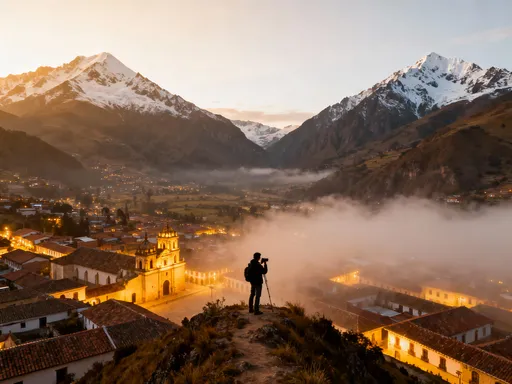
Mendoza is widely celebrated for its sun-drenched vineyards, world-class Malbec, and the dramatic silhouette of the Andes that frames the city like a natural amphitheater. Travelers flock here for wine tours, mountain hikes, and leisurely afternoons sipping under shaded pergolas. Yet, beneath this polished surface lies a rhythm few hear—a cultural heartbeat that echoes through narrow alleyways, rural chapels, and village squares long after the tour buses have left. This is the world of Mendoza’s hidden festivals, where tradition is not preserved behind glass but lived with open arms and open hearts.
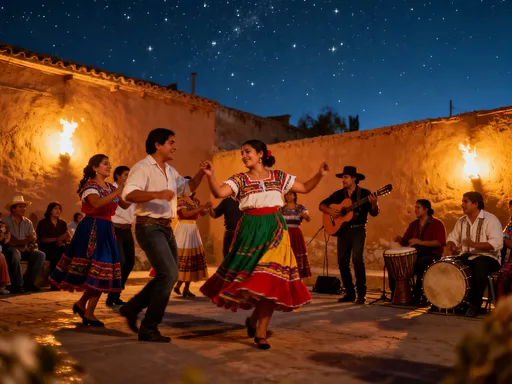
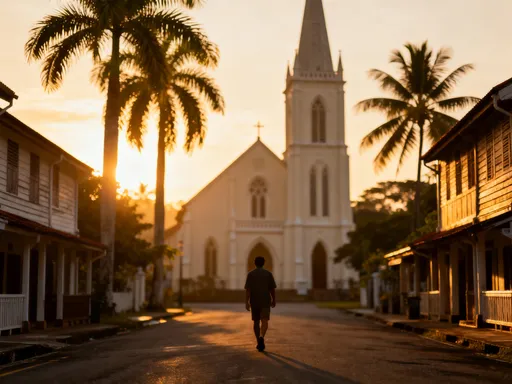
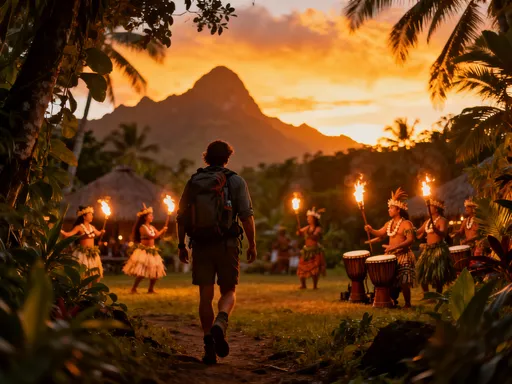
These celebrations are not staged for Instagram or curated for foreign palates. They unfold organically, often without formal advertising, announced only by word of mouth or a hand-painted sign near a local market. A typical evening might begin with the scent of *asado* drifting through a quiet neighborhood, drawing families and friends to a shared feast. Children dance barefoot on packed earth while elders strum folk tunes on weathered guitars. There is no entrance fee, no schedule to follow—just the warmth of community and the unscripted joy of being together.
What makes these gatherings so powerful is their authenticity. In an age where much of travel has become transactional—tickets, timed entries, photo ops—Mendoza’s underground festivals offer something rare: a sense of belonging, even for visitors. They are not performances but participations, where the line between observer and participant blurs. The music, food, and dance are not attractions but expressions of identity, passed down through generations in a region where history is felt more than read.
To experience one of these moments is to understand that Mendoza’s soul does not reside solely in its postcard views but in the quiet plazas where an old woman teaches a child the steps of a traditional *zamba*, or in the vineyard where workers gather after harvest to sing songs that honor both the land and their ancestors. These are the uncelebrated corners of a celebrated destination, where culture breathes freely and deeply.
Fiesta del Sol: A Celebration in Plain Sight, Yet Rarely Seen
Among the most significant yet underappreciated events in Mendoza is the Fiesta del Sol, held annually in early February. While it draws tens of thousands and includes parades, concerts, and art exhibitions, its most profound moments happen far from the spotlight. Most visitors attend the main stage events in Parque General San Martín, where national artists perform under dazzling lights. But the true essence of the festival lies elsewhere—in the pre-dawn gatherings in Plaza Independencia, where local families light candles in honor of Pachamama, the Andean earth mother, and offer grains, flowers, and prayers for abundance.
These rituals, rooted in pre-Columbian traditions, have been woven into the fabric of modern Argentine culture. Though the festival officially celebrates the summer season and regional pride, its deeper currents flow from indigenous cosmology—the reverence for nature, the cycles of the sun, and the sacredness of community. On the morning of the solstice, before the official program begins, elders lead quiet ceremonies that outsiders rarely witness. There are no banners, no media crews—only the soft hum of chants and the crackle of ceremonial fires.
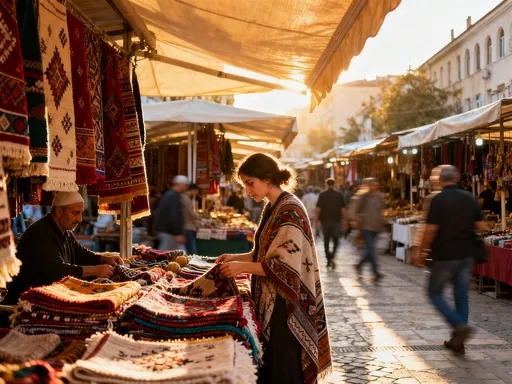
Equally overlooked are the neighborhood *verbenas*, spontaneous street parties that erupt in barrios like San Francisco del Monte and Las Heras. Here, local bands play *música folclórica* on makeshift stages, and residents set up tables with homemade empanadas, *dulce de membrillo*, and glasses of chilled Torrontés. These gatherings are not listed in tourist brochures, yet they embody the spirit of the Fiesta del Sol more completely than any official event. They are inclusive by nature—children weave through the crowd with sparklers, couples sway to slow *chacareras*, and strangers are welcomed with a plate of food and a smile.
For the observant traveler, the key to accessing these moments is timing and connection. Arriving a few days before the main festivities allows time to build rapport with locals, whether at a neighborhood café or a small artisan market. Asking simple questions in Spanish—"¿Dónde se celebra la fiesta de verdad?" (Where is the real celebration?)—often opens doors that no guidebook can. The Fiesta del Sol is not just a festival; it is an invitation to witness how ancient traditions live quietly within modern life.
Wine Isn’t Just a Drink—It’s a Festival in Itself
In Mendoza, wine is not merely a product but a living tradition, deeply entwined with ritual, faith, and community. While visitors often associate the region with elegant tastings and vineyard tours, the most meaningful expressions of wine culture occur during the *fiestas patronales*—patron saint festivals—held in rural villages throughout the province. In towns like Uspallata, Lavalle, and San Rafael, the grape harvest is not just an agricultural event but a sacred occasion marked by music, prayer, and collective celebration.
One of the most moving examples is the Fiesta de la Vendimia in small communities, distinct from the large-scale provincial festival held in the capital. Here, the celebration begins with a religious procession, where a statue of the Virgin Mary or a local saint is carried through vineyard rows, blessed by a priest, and adorned with grapevines and wildflowers. This blending of Catholic and indigenous Andean beliefs reflects centuries of cultural synthesis. The harvest is seen not just as labor but as a gift from the earth, to be honored with gratitude and song.
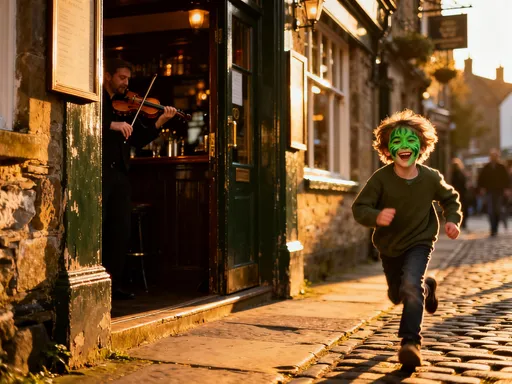
After the blessing, the festivities shift to the plaza, where long tables are set with regional dishes: slow-roasted lamb, corn humitas, and cheese from local dairies. Musicians play *carnavalitos* with quenas (Andean flutes) and bombo legüeros (traditional drums), their rhythms echoing across the valley. Children dance in traditional costumes, their faces painted with floral patterns, while elders recount stories of past harvests. The wine flows freely, not from branded bottles but from large earthenware jars passed hand to hand—a symbol of shared abundance.
For travelers seeking to experience these events, timing is essential. The harvest season runs from late February to early April, with individual villages hosting their festivals on weekends aligned with local patron saints. Information is rarely found online; instead, it is shared through community radio, church bulletins, or word of mouth. Staying at a family-run *alojamiento rural* (country lodging) increases the chances of receiving an informal invitation. When attending, respect is paramount: dressing modestly, asking before taking photos, and offering a small gift—such as a bottle of wine or a box of sweets—shows appreciation and goodwill.
The Rhythm of the People: Music and Dance as Cultural Code
Music and dance are not entertainment in Mendoza’s hidden festivals—they are language. The rhythms of *zambas*, *chacareras*, and *carnavalitos* carry stories of love, loss, migration, and resilience. These forms, rooted in the Andes and the Pampas, are passed down through families and community gatherings, not formal schools. A grandmother might teach her granddaughter the intricate footwork of a *zamba* during a Sunday lunch, or a group of friends might practice harmonies under a porch light before a village celebration.
What sets these performances apart is their spontaneity. Unlike staged folkloric shows, the music emerges naturally from the moment—a few chords on a guitar, a whistle, a clap—and soon the entire plaza is alive with movement. The *zamba*, with its slow, swaying steps and handkerchief waves, evokes longing and courtship. The *chacarera*, faster and more energetic, celebrates rural life and joy. And the *carnavalito*, with its circular formations and high-pitched flutes, connects dancers to ancient Andean rites.
Local musicians often speak of these traditions as emotional anchors. One guitarist from Malargüe, when asked why he continues to play, said, "This music is my memory. When I hear the quena, I see my father walking the fields at dawn." These sentiments are not performative; they are deeply felt. For visitors, being invited to dance—even clumsily—is a gesture of trust and inclusion. It is not about perfection but presence. A traveler who steps into the circle, follows the lead of a local, and smiles through missteps becomes part of the story.
Learning a few basic steps before arrival can enhance the experience, but more important is the willingness to engage. Many festivals welcome newcomers with open arms, especially those who show genuine interest. Clapping along, offering a compliment in Spanish, or simply watching with respectful attention can build bridges. In these moments, music becomes a universal language, and dance a shared prayer.
How to Find the Real Festivals: A Traveler’s Guide to Authentic Access
Discovering Mendoza’s hidden festivals requires a shift in mindset—from seeking sights to seeking stories. The first step is to move beyond the tourist trail. Instead of booking only city hotels, consider staying in smaller towns or rural inns where local life unfolds at a human pace. Establishing connections is key. A conversation with a winemaker, a shopkeeper, or a bus driver can yield invaluable information. Many festivals are announced only days in advance, shared through community networks rather than digital platforms.
Local cultural centers, such as the Casa de la Cultura in Luján de Cuyo or the Museo del Pasado Cuyano in the capital, often post flyers about upcoming events. Small wineries, especially those run by families, are also excellent sources. Owners may invite guests to private harvest celebrations or point them toward nearby village festivals. Additionally, planning a visit around regional holidays increases the chances of encountering authentic events. *Día del Trabajador del Vino* (Wine Worker’s Day) on August 20 honors the laborers who sustain the industry with parades, feasts, and music in wine-producing communities.
Transportation should be approached with flexibility. While rental cars offer independence, local buses and shared vans (*colectivos*) provide access to areas off the tourist map. Some communities organize guided tours led by residents, offering not just access but context. These guides can explain the significance of rituals, translate songs, and ensure visitors behave respectfully.
Respectful participation is non-negotiable. This means dressing modestly, especially in religious settings; asking permission before photographing people; and avoiding loud or disruptive behavior. Learning a few phrases in Spanish—"Buenas tardes," "¿Puedo acompañar?" (May I join?)—goes a long way. Offering to help—whether serving food, clapping along, or cleaning up afterward—demonstrates humility and gratitude. These gestures are remembered, and they often lead to deeper invitations.
Why These Festivals Matter: Culture as Resistance and Renewal
In an era of globalization, where local traditions often give way to homogenized experiences, Mendoza’s hidden festivals stand as acts of quiet resistance. They are not relics but living practices, constantly renewed by those who value them. For rural communities, these celebrations are more than entertainment—they are affirmations of identity, ways of preserving language, music, and spiritual beliefs that might otherwise fade.
They also serve as vital social glue. In villages where younger generations may leave for cities, festivals bring people back, reconnecting families and reinforcing communal bonds. Elders pass down songs, recipes, and stories; children learn their heritage not in classrooms but through participation. The festivals are spaces where history is not studied but lived, where the past is not separate from the present but woven into daily life.
For travelers, engaging with these traditions offers a model of meaningful tourism—one that prioritizes connection over consumption. It challenges the notion that travel must be about checking off landmarks or collecting photos. Instead, it invites a slower, more reflective approach: listening, learning, and being present. Mendoza shows that even in popular destinations, authenticity thrives when sought with sincerity.
These festivals also remind us of the resilience of culture. Despite economic pressures, urbanization, and the dominance of global media, communities in Mendoza continue to gather, sing, and celebrate in their own way. Their persistence is a testament to the human need for belonging, ritual, and expression. To witness this is to understand that culture is not a product to be sold but a practice to be shared.
Closing: The Gift of Being Let In
To be welcomed into one of Mendoza’s hidden festivals is a rare privilege. It is not an experience that can be bought or scheduled—it must be earned through patience, respect, and openness. There is no stage, no audience, no separation between performer and spectator. There is only the moment: the warmth of a shared meal, the echo of a folk song under open skies, the joy of a child’s laughter as fireworks bloom above a village square.
These are the moments that stay with you long after the journey ends. They do not fit neatly into travel albums or social media feeds, but they shape the way you see the world. They teach humility—that we are guests in others’ lives—and gratitude for the generosity of strangers who open their hearts without hesitation.
So when you plan your next trip to Mendoza, look beyond the vineyards and the peaks. Seek the quiet plazas, the whispered invitations, the music that begins after dark. Travel not just to see, but to feel. Because the true magic of this place is not in its landscapes alone, but in the pulse of its people—strong, steady, and singing in the night.