Lost in the Wild Beauty of Faro: Nature Just Blew My Mind
Have you ever stepped into a place so untouched it feels like the world’s best-kept secret? That’s Faro, Portugal—not just a gateway to sun-kissed beaches, but a wild mosaic of salt marshes, hidden dunes, and coastal trails few truly explore. I went looking for relaxation and found something deeper: nature in its rawest form, breathing quietly beneath the tourist radar. This is more than a getaway. It’s a discovery. Faro offers a rare balance—accessible yet unspoiled, familiar yet full of wonder. For travelers seeking authenticity, the true magic lies not in crowded resorts but in the whispering reeds, silent lagoons, and sun-drenched islands where time slows and the natural world takes center stage.
Reimagining Faro: Beyond the Postcard Beaches
Faro is often introduced as the southernmost gateway to Portugal’s Algarve coast, a region long celebrated for golden cliffs, turquoise waters, and seaside resorts. Yet beyond the postcard-perfect beaches lies a quieter, wilder side of the region—one that remains overlooked by many visitors. While millions flock to the sun loungers of Albufeira or the dramatic rock formations near Lagos, Faro invites a different kind of traveler: one curious about landscapes shaped by wind, water, and time rather than tourism. The city itself, with its whitewashed buildings and historic old town, serves as a modest entrance to something far more profound—the Ria Formosa Natural Park, a protected wetland stretching over 18,000 hectares along the southern coast.
This ecological treasure is not merely a backdrop but a living, breathing entity. At dawn, when the sky shifts from deep indigo to soft coral, the park awakens with a symphony of sounds—herons calling from shallow pools, kingfishers darting through reeds, and the gentle lapping of tidal channels. The air carries the crisp scent of sea salt mingled with the earthy aroma of pine from nearby woodlands. Light dances across the water, transforming narrow creeks into ribbons of molten silver. It’s a sensory experience that recalibrates the soul, offering a stark contrast to the predictable rhythms of beachfront cafes and souvenir shops.
Shifting the travel mindset from sunbathing to immersion allows visitors to engage with Faro on a deeper level. Instead of measuring a day by how much tan was achieved, one begins to notice the subtle shifts in tide, the flight patterns of wading birds, or the texture of dune grasses bending in the breeze. This slower, more intentional way of traveling doesn’t require expertise—only openness. And in that openness, Faro reveals itself not as a destination to check off a list, but as a place to feel truly present.
Ria Formosa: A Living Labyrinth of Water and Light
At the heart of Faro’s natural allure lies the Ria Formosa Natural Park, a dynamic and ever-changing network of tidal inlets, barrier islands, salt marshes, and lagoons. Designated as a Ramsar site of international importance, this protected area plays a vital role in supporting biodiversity along Portugal’s southern coast. It serves as a crucial stopover for migratory birds traveling between northern Europe and Africa, offering safe resting and feeding grounds during their long journeys. The park is also home to a variety of marine species, including seahorses, mullet, and crustaceans that thrive in its brackish waters.
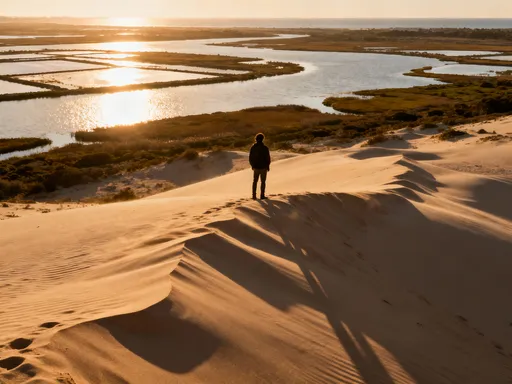
What makes Ria Formosa truly special is its fluidity. Unlike static landscapes, this ecosystem transforms with the tides, the seasons, and even the weather. At low tide, vast stretches of sandbanks and mudflats emerge, revealing intricate patterns sculpted by water flow. At high tide, narrow channels swell into navigable waterways, inviting kayakers and small boats to glide silently between islands. The interplay of light and reflection creates a dreamlike atmosphere—on calm mornings, the surface of the lagoon mirrors the sky so perfectly that it becomes difficult to distinguish where water ends and air begins.
Visitors can experience this living labyrinth in several ways. Kayaking offers one of the most intimate perspectives, allowing quiet passage through narrow creeks without disturbing wildlife. Guided eco-tours, led by local naturalists, provide insight into the delicate balance of this environment, explaining how salt pans once supported traditional livelihoods and how dune stabilization efforts protect fragile habitats. For those who prefer to stay on solid ground, boardwalks and marked footpaths cross through marshlands, leading to observation decks with panoramic views. Each route offers a chance to witness nature’s quiet drama—egrets stalking fish in shallow pools, oystercatchers probing for food in the mud, or the occasional glimpse of a chameleon sunning itself on a low branch.
The beauty of Ria Formosa is not in grand spectacles but in quiet details. It’s in the way a breeze ripples through a field of sea lavender, or how the setting sun turns the salt pans into golden mirrors. It’s a place that rewards patience and presence, reminding travelers that some of the most powerful experiences are the ones that unfold slowly, without fanfare.
Hidden Trails and Coastal Paths You’ve Never Heard Of
While Faro’s beaches draw crowds in summer, the region’s lesser-known walking trails offer solitude and a deeper connection to the natural world. These quiet routes wind through protected areas, connecting coastal villages, dunes, and wetlands in ways that few tourists ever see. One such path leads from Farol da Barreta toward Culatra Island, a narrow ribbon of sand and scrub accessible only by boat. The trail begins at a small docking area and follows a wooden boardwalk through low-lying vegetation, then opens onto a wide, windswept beach where the only footprints may be your own.
Another rewarding route lies within the Parque Natural do Sapal de Castro Marim, located slightly east of Faro near the Spanish border. This reserve protects one of the Algarve’s most important salt marsh ecosystems, where freshwater and saltwater converge to create rich feeding grounds for birds and fish. A well-marked trail loops through the area, crossing over small bridges and offering views across shimmering pools. Interpretive signs along the way explain the history of salt harvesting in the region and the importance of preserving these habitats. The walk is moderate in difficulty, suitable for most fitness levels, and especially peaceful in the early morning or late afternoon when bird activity peaks.
For those planning to explore these trails, preparation enhances both comfort and safety. The Algarve sun can be intense, even in spring and autumn, so lightweight clothing, a wide-brimmed hat, and sunscreen are essential. Sturdy walking shoes with good grip are recommended, especially on sandy or uneven terrain. A refillable water bottle, insect repellent, and a small backpack with snacks will ensure a more enjoyable experience. Most importantly, timing matters—starting hikes early in the day avoids midday heat and increases the chances of spotting wildlife before animals retreat to shade.
Walking these hidden paths does more than provide exercise; it fosters a sense of discovery. There’s a quiet thrill in stepping off the beaten track, in hearing only the wind and waves, in realizing that you’ve entered a space untouched by commercial development. Each turn reveals something new—a cluster of wild thyme releasing its fragrance underfoot, a flock of avocets taking flight, or the sudden appearance of a deserted cove perfect for a moment of stillness. These are the moments that linger long after the trip ends.
Island Escapes: Ilha Deserta and Culatra Uncovered
Among the most enchanting experiences in Faro’s natural landscape are visits to its remote barrier islands—slender strips of land separated from the mainland by the calm waters of the Ria Formosa. Ilha Deserta and Culatra are two of the most accessible, yet they remain refreshingly undeveloped. Reached only by small passenger boats from Faro or Olhão, these islands offer a rare kind of escape: no cars, no large hotels, and minimal signage. What they do offer is space—wide beaches, open skies, and a rhythm of life dictated by tides and seasons rather than schedules.
Ilha Deserta, despite its name, is anything but barren. Its name likely refers to its isolation rather than any lack of beauty. The island stretches for miles, with dunes stabilized by marram grass and occasional patches of shrubs. The Atlantic crashes against one side, while the sheltered lagoon side remains calm and warm, ideal for swimming. Few structures dot the landscape—just a handful of seasonal beach restaurants known locally as *barracas*, run by families who have lived in the region for generations. These simple wooden huts serve fresh grilled fish, seafood rice, and cold drinks, offering sustenance without disrupting the island’s tranquility.
Just north lies Culatra, slightly more inhabited but equally peaceful. The island’s main settlement is a cluster of pastel-colored houses connected by sandy paths. Life here revolves around fishing—boats return at dawn with catches of sardines, octopus, and sea bass. Visitors are welcomed with quiet courtesy, and the absence of traffic creates an atmosphere of deep calm. Children play near the shore, elders sit outside their homes reading newspapers, and the only sounds are the cries of gulls and the distant hum of a boat engine.
A visit to either island encourages disconnection in the best sense. With limited phone signal and no commercial distractions, time slows. A day might consist of little more than swimming, reading under an umbrella, and enjoying a simple meal while watching the light change over the water. There’s no pressure to “do” anything—just to be. For families, couples, or solo travelers seeking restorative peace, these islands offer a rare gift: the chance to reset, recharge, and remember what it feels like to live at nature’s pace.
Birdwatching in Silence: Nature’s Hidden Show
Faro is a haven for bird enthusiasts, though one need not be an expert to appreciate its avian wonders. The Ria Formosa and surrounding wetlands support over 200 species of birds, making the region one of the most important ornithological sites in southern Europe. During migration seasons—particularly in spring and autumn—the area becomes a bustling corridor for birds traveling thousands of miles between continents. Winter brings additional visitors, including greater flamingos, whose pink hues create a surreal contrast against gray lagoons.
Commonly seen species include the purple gallinule, with its striking red bill and long toes adapted for walking on floating vegetation; the Eurasian spoonbill, identifiable by its unique flattened beak; and the osprey, a skilled fish hunter often seen hovering before diving with precision. Herons, egrets, and kingfishers are year-round residents, frequently spotted along trails and water edges. Even casual observers can learn to recognize their calls and flight patterns with a little patience.
The key to meaningful birdwatching in Faro is stillness. Unlike zoos or wildlife parks, this is not a spectacle delivered on demand. Instead, it unfolds gradually—through quiet observation, careful movement, and respect for the animals’ space. Binoculars enhance the experience, but even the naked eye can catch breathtaking moments: a flock of avocets skimming the water’s surface, a marsh harrier gliding low over reeds, or a group of flamingos feeding in shallow pools.
Several accessible observation points allow visitors to view birds without intrusion. Elevated platforms near the Quinta da Marim visitor center offer panoramic views of wetlands, while quieter spots along the Castro Marim trail provide closer encounters. Early mornings and late afternoons are ideal, when birds are most active and the light is soft. For those traveling with children, birdwatching becomes an engaging way to teach patience and attention to detail—skills that extend far beyond nature observation.
Beyond identification, birdwatching fosters a deeper awareness of ecological interconnectedness. Each sighting is a reminder of the delicate balance that sustains these habitats—and of the responsibility to protect them. In a world of constant noise, the act of listening for a distant call or waiting for a glimpse of wings above the reeds becomes a form of mindfulness, grounding the observer in the present moment.
Sustainable Choices: How to Explore Without Harming
As interest in eco-tourism grows, so does the importance of traveling responsibly—especially in fragile environments like the Ria Formosa. These ecosystems, while resilient, are vulnerable to human impact. Trampling vegetation, disturbing wildlife, or leaving waste can have lasting consequences. Fortunately, small, conscious choices make a significant difference. Staying on marked trails prevents erosion and protects nesting grounds. Avoiding plastic packaging and carrying reusable bottles and bags reduces pollution that could harm marine life. Refraining from feeding animals ensures they maintain natural behaviors and diets.
Transportation choices also matter. Instead of joining large, commercial boat tours that may anchor in sensitive areas, consider hiring a local guide who follows sustainable practices or using public water taxis operated by regional services. These smaller operations often provide more personalized experiences while minimizing environmental impact. Similarly, choosing to walk or cycle when possible reduces carbon emissions and allows for a more immersive experience.
Supporting local economies is another form of sustainability. Purchasing handmade crafts, eating at family-run *tascas*, and booking accommodations with eco-certifications help ensure that tourism benefits residents directly. It also encourages preservation of cultural traditions, from fishing techniques to culinary recipes passed down through generations.
Responsible travel is not about restriction—it’s about enrichment. When visitors act as stewards rather than consumers, they form a deeper bond with the places they explore. They begin to see themselves not as outsiders but as temporary guests in a shared world. In Faro, where nature remains vibrant and accessible, these choices help ensure that future generations will also have the chance to stand on a quiet beach, hear the cry of a distant bird, and feel the wind carry the scent of salt and wild thyme.
Why Faro’s Wild Side Changes How You Travel Forever
Traveling through Faro’s wild landscapes does more than create memories—it shifts perspective. The silence of the dunes, the stillness of the lagoons, the unhurried rhythm of island life all contribute to a deeper awareness of how we move through the world. In a culture that often equates travel with speed and quantity—how many sights were seen, how many photos taken—Faro offers an alternative: the value of depth over distance, presence over productivity.
Those who immerse themselves in this environment often return home changed. They notice birds in their own backyards. They pause to watch sunlight on water. They choose slower, more thoughtful ways of exploring. The experience becomes a benchmark—a reminder that true discovery isn’t found in crowded landmarks but in moments of quiet connection. It’s in the way a heron stands motionless at the water’s edge, in the texture of wind-shaped dunes, in the taste of freshly caught fish eaten with sand between your toes.
Faro’s wild side doesn’t shout for attention. It whispers. And in that whisper, there is wisdom. It teaches that beauty exists in balance, that stillness holds power, and that the most meaningful journeys are those that transform the traveler as much as they reveal the destination. So the next time you plan a trip, ask not just where you want to go—but how you want to feel. Seek not just views, but moments of real presence. Let nature speak. And when you finally learn to listen, you may find, as so many have in Faro, that the world has been waiting to be rediscovered all along.