What I Wish I Knew Before Visiting Daeegu’s Cultural Spots
Traveling to Daeegu, I was excited to explore its rich cultural side—but not everything went as planned. Some museums were closed on Mondays, others felt underwhelming despite the hype. Navigating language barriers and confusing layouts made certain visits more stressful than inspiring. If you're planning to dive into Daeegu’s cultural scene, let me help you skip the letdowns and focus on what’s truly worth your time. With thoughtful planning, a bit of local insight, and realistic expectations, Daeegu reveals itself not as a secondary destination, but as a quietly powerful window into Korea’s heritage. This city doesn’t shout its history—it shares it in whispers through temple bells, textile patterns, and the warmth of its people.
Why Daeegu Deserves a Spot on Your Cultural Travel List
Daeegu may not dominate international travel itineraries like Seoul or Busan, but its cultural depth is both authentic and deeply rooted in Korean history. As the fourth-largest city in South Korea, Daeegu has long served as a regional hub for industry, education, and tradition. What sets it apart from flashier destinations is its understated charm—fewer crowds, more local life, and cultural sites that reflect genuine community identity rather than tourist performance. For travelers seeking an intimate understanding of Korean heritage beyond the capital’s spotlight, Daeegu offers a refreshing alternative.
Historically, Daeegu played a significant role during Korea’s independence movement in the early 20th century. The city was a center of resistance, and remnants of that spirit can still be felt in places like the Dalseong Park Historical Site, where preserved fortifications and memorials honor those who fought for national sovereignty. This historical consciousness shapes much of the city’s cultural programming today, from commemorative festivals to museum exhibitions focused on civic pride and resilience.
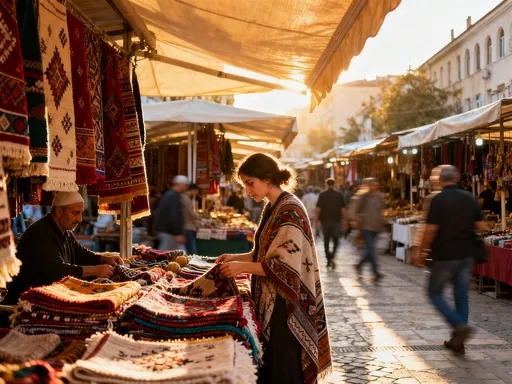
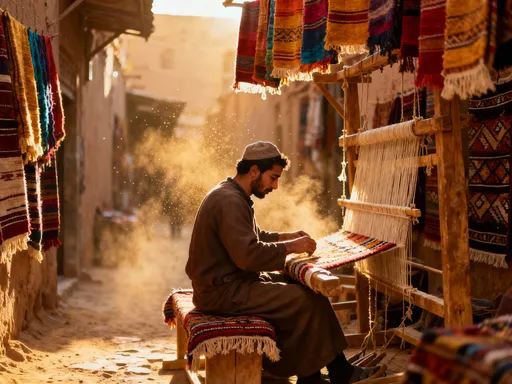
Equally important is Daeegu’s legacy in traditional crafts. The city has long been associated with textile production, particularly silk and ramie weaving. In neighborhoods like Seomun Market, visitors can see artisans working with age-old techniques passed down through generations. These crafts are not just decorative—they represent a way of life, one that values patience, precision, and connection to nature. For women travelers, especially those interested in handmade goods, textile arts, and slow living, Daeegu offers meaningful engagement with creative traditions that feel both timeless and personal.
Moreover, interest in regional Korean culture is growing. Travelers are increasingly looking beyond Seoul’s neon glow to discover how different parts of the country express their identity. Daeegu fits perfectly into this trend. It doesn’t try to imitate the capital; instead, it celebrates its own rhythms—morning markets, temple stays, seasonal festivals, and neighborhood tea houses where elders gather and stories are exchanged. This authenticity makes Daeegu not just a destination, but a place where cultural immersion feels natural and rewarding.
The Most Overhyped Cultural Venues (And Why They Miss the Mark)
Not every cultural site in Daeegu lives up to its online reputation. Some institutions, while well-intentioned, fall short in execution, leaving visitors disappointed despite their anticipation. One example is the Daeegu National Museum, which often appears high on travel lists. While it houses a respectable collection of artifacts from the Silla and Joseon periods, many exhibits lack detailed English explanations, and the display layout can feel sparse or overly academic. Without prior knowledge of Korean history, it’s easy to walk through without grasping the significance of what you’re seeing.
Another frequently visited but underwhelming location is the Dalseong Park Historical Site. Surrounded by scenic walking paths and a peaceful reservoir, the site includes remnants of an old fortress wall and several historical markers. However, much of the interpretive signage is only in Korean, and there are limited interactive elements or guided tours available in foreign languages. As a result, what could be a powerful encounter with Korea’s past sometimes feels like a pleasant stroll rather than an educational experience. Families or solo travelers hoping for immersive storytelling may find themselves wishing for more context.
Timing also plays a role in these letdowns. Many visitors arrive unaware that several cultural institutions in Daeegu—including some smaller museums and cultural centers—close on Mondays or have reduced hours during national holidays. Arriving at a locked gate after a long journey can be disheartening, especially when information online isn’t consistently updated. Additionally, some venues market themselves as “must-see” attractions but offer little beyond a single exhibit or photo opportunity, leading to mismatched expectations.
The issue isn’t necessarily with the sites themselves, but with how they’re presented to international audiences. When travelers expect museum-quality curation and multilingual accessibility, they may overlook the quieter, more personal forms of cultural expression that Daeegu excels at. Instead of focusing solely on large institutions, a smarter approach is to seek out experiences that align with the city’s strengths: craftsmanship, community, and seasonal traditions. By adjusting expectations, visitors can avoid disappointment and instead appreciate Daeegu on its own terms.
Hidden Gems That Actually Deliver
For those willing to look beyond the main tourist trails, Daeegu offers a wealth of intimate, enriching cultural experiences. These hidden gems may not have flashy websites or viral Instagram reels, but they deliver authenticity in ways that larger venues often miss. One such place is the traditional tea house tucked away in the alleyways near Dongseongno, a bustling shopping district with a surprisingly serene side. Here, visitors can participate in a simple tea ceremony led by a local host who shares stories about Korean tea culture, seasonal ingredients, and the philosophy of mindfulness behind each step.
Another standout is the small folk craft studio located within the cultural zone of Seomun Market. Unlike mass-produced souvenirs found in tourist shops, this space showcases handwoven textiles, natural-dyed scarves, and pottery made by local artisans. On certain days, visitors can watch live demonstrations—spinning ramie fiber, dyeing cloth with persimmon tannin, or shaping clay on a kick wheel. Some studios even offer short workshops where guests can try their hand at basic weaving or stamp-printing fabric using traditional patterns. These hands-on moments create lasting memories and foster a deeper appreciation for the skill and dedication behind Korean craftsmanship.
In the same area, independent art galleries have begun to flourish, particularly in converted hanok-style buildings. These spaces feature rotating exhibitions by regional artists—paintings inspired by mountain landscapes, calligraphy pieces blending poetry and brushwork, and textile installations that reinterpret folk tales. Entry is often free or requires only a small donation, and gallery staff are usually eager to explain the work, sometimes with the help of bilingual brochures or simple translation apps. The atmosphere is welcoming, never intimidating, making it ideal for travelers who enjoy art but don’t consider themselves experts.
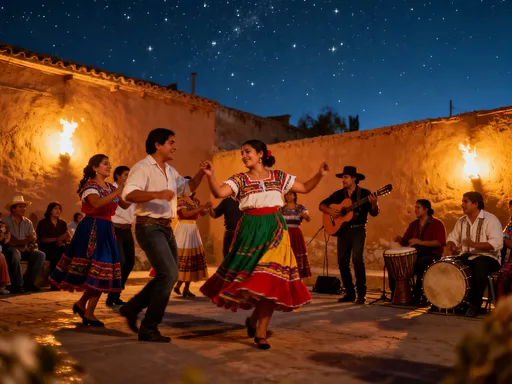
For families or those traveling with children, the neighborhood festivals held in spring and autumn offer joyful cultural immersion. Events like the Daegu Jinjin Art Festival transform quiet streets into open-air performance venues, with traditional music, puppet shows, and craft booths run by local residents. These gatherings aren’t staged for tourists—they’re part of the community’s calendar, offering real insight into how Daeegu celebrates its identity. Visiting during one of these times allows travelers to experience culture not as a static display, but as a living, evolving practice.
Timing & Planning: Avoiding the Most Common Scheduling Mistakes
One of the most preventable frustrations in Daeegu is arriving at a cultural site only to find it closed. Unlike major cities with tourist-centric operating hours, many museums, galleries, and historical sites in Daeegu follow a traditional weekly closure schedule—most commonly on Mondays. This includes not only government-run institutions like the Daeegu National Museum but also smaller cultural centers and craft workshops. Assuming that a venue will be open based on weekend hours can lead to wasted time and missed opportunities.
Seasonal closures and holiday adjustments add another layer of complexity. During major Korean holidays such as Chuseok or Seollal, even usually accessible locations may reduce their hours or shut down entirely for several days. While these periods offer a unique glimpse into family-centered traditions, they are not ideal for structured cultural touring unless carefully planned. Travelers should check official websites or contact the Daeegu Tourism Organization’s visitor center in advance to confirm opening times and any special event schedules.
Smart planning also means aligning your visit with local festivals that enhance cultural engagement. The Daeegu Chimac Festival, held annually in summer, combines fried chicken and beer with live music and cultural performances, creating a lively atmosphere where tradition meets modern leisure. While not strictly a heritage event, it reflects how younger generations are reinterpreting local identity in fun, accessible ways. Similarly, the Daegu Jinjin Art Festival, mentioned earlier, turns public spaces into creative zones with murals, dance performances, and craft markets—all free and open to all.
To make the most of your time, consider building your itinerary around these events. A weekday visit to a museum followed by a weekend festival allows for both structured learning and spontaneous discovery. Spreading out visits across multiple days also prevents fatigue—museum overload is real, especially when navigating dense historical content. Prioritizing two to three meaningful stops per day, with breaks for tea or market exploration, leads to a more enjoyable and sustainable travel rhythm. Thoughtful timing doesn’t just avoid logistical hiccups; it deepens the overall experience.
Language Barriers and How to Work Around Them Smoothly
While English signage has improved in central Daeegu, many cultural venues still operate primarily in Korean. Museums may have abbreviated translations, audio guides might not be available, and staff may have limited ability to answer detailed questions in English. For travelers who don’t speak Korean, this can make it difficult to fully understand exhibits or participate in activities. However, with a few practical strategies, these barriers can be navigated effectively without stress.
One of the most useful tools is a reliable translation app. Google Translate and Naver Papago both offer camera translation features that allow users to point their phone at signs or brochures and instantly see an English version. Downloading offline language packs ensures functionality even without Wi-Fi, which is especially helpful in older buildings or remote sites where connectivity is spotty. Carrying a small notebook with key phrases—such as “Is there an English guide?” or “Can I take photos?”—can also facilitate basic communication and show respect for local customs.
Another helpful resource is the Daeegu Tourist Information Center, located near key transit hubs and major attractions. Staff at these centers often speak basic English and can provide printed maps, event schedules, and recommendations tailored to non-Korean speakers. Some even offer free audio tour devices or pamphlets in multiple languages. Taking ten minutes to stop by upon arrival can save hours of confusion later.
When possible, visiting with a local friend or hiring a licensed cultural guide can transform the experience. Even a two-hour guided walk through Seomun Market or Donghwasa Temple adds context and depth that signs alone cannot provide. For independent travelers, look for volunteer guide programs offered through the city’s tourism office—these are often free or low-cost and led by residents passionate about sharing their hometown. Language may be a hurdle, but it doesn’t have to be a wall.
Transportation Hurdles and the Smartest Ways to Navigate
Daeegu’s public transportation system is efficient within the city center, making it relatively easy to reach major cultural districts like Dongseongno, Seomun Market, and the area around Kyungpook National University. The Daeegu Metro consists of two lines that intersect at Jungangno Station, forming a convenient backbone for north-south and east-west travel. Buses complement the subway, reaching neighborhoods not directly served by rail. For most tourists, a T-money card—a rechargeable smart card used across Korea—simplifies fare payment and allows seamless transfers between modes.
However, accessing some of the more remote cultural sites requires additional planning. Donghwasa Temple, nestled in the foothills of Palgongsan Mountain, is best reached by bus from Dongdaegu Station. While the route is clearly marked, the final leg involves a steep uphill walk, which may be challenging for older travelers or those with mobility concerns. Checking bus schedules in advance is essential, as service becomes less frequent in the late afternoon. Taxis are readily available and reasonably priced, offering a comfortable alternative for those with time or physical limitations.
Ride-hailing apps like KakaoTaxi are widely used in Daeegu and integrate translation features that help non-Korean speakers communicate destinations. Simply typing an address or selecting a saved location from a map allows the app to relay the information to drivers, eliminating language barriers. For more active travelers, bike rentals through the city’s public Ddareungi system provide a healthy, scenic way to explore riverside paths and park-adjacent areas. Stations are located near major attractions, and daily passes are affordable.
Understanding approximate travel times helps build a realistic itinerary. For example, moving from Seomun Market to the 83 Tower Observatory takes about 20 minutes by subway, while a trip from the city center to Palgongsan’s base might take 30–40 minutes by bus. Allowing buffer time between stops accounts for unexpected delays and keeps the pace relaxed. Good transportation planning doesn’t just get you from place to place—it protects your energy so you can fully engage with each destination.
How to Build a Balanced, Rewarding Cultural Itinerary
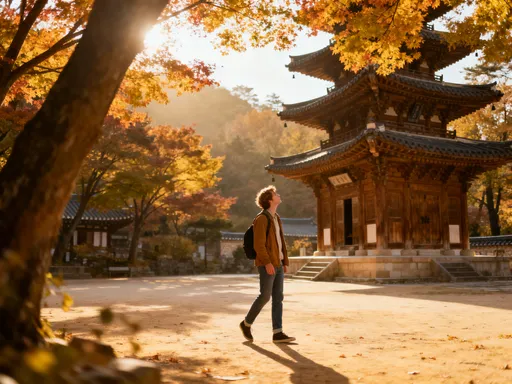
Creating a fulfilling day in Daeegu means balancing iconic landmarks with quiet discoveries, structured visits with moments of free exploration. A well-paced itinerary respects both the richness of the culture and the limits of human attention. Start your morning at Donghwasa Temple, arriving early to avoid crowds and enjoy the tranquility of morning prayers. The climb up the stone path, flanked by colorful lanterns and temple bells, sets a reflective tone. Spend time observing rituals, walking the meditation trail, or simply sitting quietly—this is cultural immersion at its most personal.
From there, head downtown to the 83 Tower Observatory for a panoramic view of the city. While not a traditional cultural site, this vantage point helps orient visitors geographically and visually, showing how Daeegu is nestled between mountains and rivers—a landscape that has shaped its history and way of life. The short film inside often includes historical footage and commentary on the city’s development, offering useful context before diving into ground-level experiences.
After lunch at a local restaurant serving regional dishes like dak galbi or memil guksu (buckwheat noodles), shift focus to Seomun Market’s cultural alley. This section of the market has been revitalized to highlight traditional crafts, food heritage, and small-scale art. Visit the textile studio, sample homemade tteok (rice cakes), and perhaps join a brief hanbok try-on experience offered by a local shop. These tactile interactions ground cultural learning in sensory memory—something you see, touch, taste, and remember.
The afternoon can include a stop at a neighborhood tea house or independent gallery, followed by a leisurely walk through a park or residential area to absorb everyday life. Avoid cramming in more than three major stops per day; over-scheduling leads to fatigue and diminishes appreciation. Instead, leave space for unplanned encounters—chatting with a vendor, watching children play traditional games, or stumbling upon a street musician playing a gayageum. These small moments often become the most cherished parts of a trip.
A balanced itinerary isn’t about checking off every box. It’s about creating a rhythm that allows for both discovery and reflection. For women travelers, particularly those managing family trips or traveling solo, pacing is especially important. Prioritizing comfort, safety, and meaningful connection ensures that cultural travel feels enriching rather than exhausting. Daeegu rewards those who move slowly, observe closely, and engage with curiosity.
Conclusion: Travel Smarter, Experience Deeper
Visiting Daeegu’s cultural spots doesn’t require perfection—but it does benefit from preparation. Researching opening days, understanding transportation options, and setting realistic expectations can transform a potentially frustrating trip into a deeply satisfying journey. The city’s greatest offerings aren’t always the loudest or most promoted; they’re found in quiet studios, neighborhood festivals, and simple acts of hospitality. By prioritizing authenticity over popularity, travelers gain access to a more personal, human side of Korean culture.
Language barriers and scheduling quirks are not obstacles to avoid, but invitations to engage more thoughtfully. Using translation tools, seeking out multilingual resources, and connecting with local guides all deepen understanding and build bridges across cultures. Likewise, choosing public transit, walking tours, or bike rides not only supports sustainable travel but also allows for closer observation of daily life—the true heart of any destination.
Ultimately, cultural travel is not about collecting stamps in a passport. It’s about slowing down, opening your senses, and allowing a place to reveal itself in its own time. Daeegu, with its modest presence and deep roots, teaches this lesson beautifully. It reminds us that wisdom often resides in stillness, and connection grows from presence. So pack your curiosity, leave room for surprise, and let this unassuming city show you what truly matters in a meaningful journey.