Whistler’s Art Scene Blewed My Mind — Here’s Why You Can’t Miss It
You know that feeling when you expect mountains and skiing, but stumble into a world of color, murals, and creative energy you never saw coming? That was me in Whistler. Beyond the slopes, this Canadian gem pulses with art and culture — from open-air galleries to Indigenous craftsmanship. I didn’t just visit; I felt inspired. If you think Whistler is just a winter playground, think again. Let me take you through the hidden creative heartbeat of one of North America’s most surprising mountain towns.
First Impressions: When Nature Meets Creativity
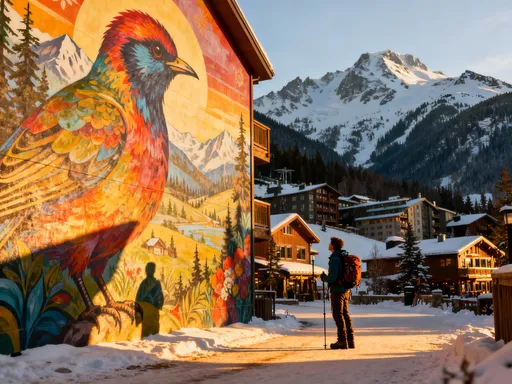
Arriving in Whistler with ski boots laced and goggles ready, it's easy to assume the entire experience will revolve around snow, speed, and après-ski comfort. But within minutes of stepping into the pedestrian-friendly village, the landscape shifts—not in elevation, but in spirit. Towering totem poles rise beside pine trees, vibrant murals wrap building facades, and abstract sculptures peek out from snowy corners like quiet sentinels of imagination. The first surprise? Art isn’t tucked away in galleries; it’s woven into the very fabric of daily life. Every stroll down the Village Stroll becomes an impromptu gallery tour, where alpine grandeur meets human expression in a harmonious dance.
What makes Whistler’s artistic integration so powerful is its respect for context. The town doesn’t impose art upon nature—it invites them to converse. A bronze bear crouched near a creek echoes real wildlife just beyond town limits. Murals depicting mountain vistas mirror the peaks visible in the distance, blurring the line between representation and reality. Even the materials used in outdoor installations—reclaimed wood, native stone, weathered metal—echo the textures of the surrounding forest and riverbanks. This thoughtful synergy transforms what could be mere decoration into a meaningful dialogue between environment and expression.
For visitors, especially those traveling with family or seeking a slower pace, this seamless blend offers something rare: cultural enrichment without effort. There’s no need to plan a museum visit or rush to beat closing time. Instead, art reveals itself naturally—around a corner, above a doorway, beneath a canopy of snow-dusted trees. Whether you're sipping hot chocolate at a sidewalk café or waiting for the gondola, beauty is never more than a glance away. It’s this effortless accessibility that makes Whistler’s art scene not just impressive, but deeply welcoming.
The Heartbeat of Whistler: Audain Art Museum
If Whistler’s public art sets the mood, the Audain Art Museum delivers the soul. Nestled at the edge of the village, this striking architectural gem serves as the town’s cultural cornerstone. Designed with clean lines and floor-to-ceiling glass, the building itself is a work of art—one that frames the surrounding forest and mountains like a living painting. But inside lies an even greater treasure: a curated journey through British Columbia’s visual heritage, spanning centuries and cultures. This isn’t a flashy, international blockbuster museum; it’s intimate, intentional, and profoundly moving.
The museum’s permanent collection centers on the artistic legacy of the Pacific Northwest, with a particular emphasis on Indigenous art. Among its most powerful holdings are rare and historically significant Northwest Coast carvings—masks, totem poles, and feast dishes crafted by master artists from the Haida, Kwakwaka’wakw, and other First Nations. These are not relics behind glass; they are presented with reverence, accompanied by stories that honor their spiritual and communal significance. Equally compelling is the collection of early 20th-century photography capturing vanishing ways of life, offering a poignant window into a transforming landscape.
Equally notable is the museum’s support of modern and contemporary British Columbian artists. Works by E.J. Hughes, a celebrated landscape painter, capture the province’s rugged beauty with emotional depth, while pieces by contemporary Indigenous artists like Brian Jungen challenge viewers to reconsider identity, history, and representation. The curation avoids overcrowding—each piece has space to breathe, allowing visitors to engage deeply rather than skim superficially. It’s the kind of museum where you find yourself pausing longer than expected, drawn into quiet contemplation.
For travelers planning a visit, timing matters. Early mornings on weekdays offer the most serene experience, with fewer crowds and softer light filtering through the glass walls. Guided tours, available hourly, provide invaluable context—especially for those unfamiliar with Indigenous artistic traditions. Docents speak with knowledge and humility, emphasizing collaboration with First Nations communities in the presentation of sacred works. Accessibility is well-considered: elevators, wide pathways, and audio guides ensure the museum is inclusive. Whether you’re an art enthusiast or simply curious, the Audain Art Museum isn’t just worth your time—it’s essential to understanding Whistler’s deeper identity.
Street Art & Outdoor Galleries: A Walk Through Living Canvas
While the Audain offers curated stillness, Whistler’s outdoor art scene thrives on energy and change. The village functions as a living canvas, where murals bloom each season and sculptures invite touch, reflection, and photos. Unlike static exhibits, these works respond to weather, light, and foot traffic, evolving with the rhythm of mountain life. Start at FireRock Plaza, where the massive FireRock sculpture—crafted from volcanic stone and steel—anchors the space with primal strength. By day, it’s a meeting point; by night, illuminated from below, it becomes a beacon of warmth and permanence.
Wander further, and the walls tell their own stories. Along the Village Stroll, a vibrant mural titled Whistler: The Gathering Place stretches across a multi-story building, depicting figures from diverse backgrounds united by the mountain landscape. Created by local artist Kenji McDonald, the piece celebrates community and inclusivity, themes central to Whistler’s ethos. Elsewhere, abstract patterns pulse with color, while wildlife-inspired works—eagles in flight, bears in repose—pay homage to the natural world just beyond town limits. These aren’t commissioned afterthoughts; they’re part of a formal public art program managed by the Whistler Arts Council, ensuring quality, diversity, and cultural sensitivity.
What sets this outdoor gallery apart is its seasonality and collaboration. Each spring and summer, visiting artists from across Canada and beyond are invited to contribute, often working in residence for weeks. Passersby can watch creation unfold—brushstrokes laid under open sky, scaffolding humming with activity. This transparency demystifies art-making, making it accessible and relatable. Children point and ask questions; adults pause to chat with artists between coats of paint. The result is not just beautiful imagery, but shared experience. For families, this interactive dimension turns a simple walk into an educational and emotional journey.
Even in winter, the art doesn’t sleep. Snow-dusted sculptures retain their presence, and strategically lit murals glow against dark evenings. The contrast of color against white landscape is striking—like splashes of life on a monochrome stage. And because everything is free and accessible 24/7, there’s no barrier to engagement. You don’t need a ticket, a schedule, or even dry shoes. Just curiosity. In a resort town often associated with expense and exclusivity, this democratic openness is quietly revolutionary.
Indigenous Culture as Living Art
At the heart of Whistler’s artistic authenticity lies the enduring presence of the Squamish and Lil’wat Nations, whose ancestral territories encompass this mountain valley. Their cultures are not exhibits of the past, but living, breathing traditions expressed daily through art, language, and ceremony. The Squamish Lil’wat Cultural Centre, located just minutes from the village, offers one of the most respectful and immersive introductions to Indigenous art in Western Canada. Built in the shape of a traditional longhouse and a circular pit house—representing the two nations—the structure itself is a statement of unity and heritage.
Inside, the experience is deeply personal. Guided tours are led by community members who share stories passed down through generations. You’ll see intricately carved cedar masks used in potlatch ceremonies, each with its own spiritual meaning. You’ll learn about the significance of the thunderbird, a powerful figure in Coast Salish mythology, and watch demonstrations of cedar weaving—a skill that transforms raw bark into baskets, hats, and regalia. These aren’t performances for tourists; they’re acts of cultural preservation, done with pride and purpose.
Perhaps most moving is the emphasis on continuity. Young apprentices work alongside elders, learning techniques that have survived colonization, assimilation, and time. Art is not separate from life—it’s a thread connecting past, present, and future. The centre sells authentic crafts, all made by community artists, with proceeds supporting cultural programs. Purchasing a hand-carved spoon or a woven bracelet isn’t just a souvenir; it’s a small act of solidarity and respect.
For visitors, especially women traveling with children or interested in meaningful cultural exchange, this space offers something rare: authenticity without exploitation. There are no staged dances for entertainment, no caricatures of tradition. Instead, there is honesty, education, and invitation. The message is clear: we welcome you to learn, but on our terms. This balance of openness and sovereignty is what makes the experience so powerful—and why it should be central to any Whistler itinerary.
Seasonal Festivals: When the Town Turns Into a Stage
While Whistler’s art scene thrives year-round, certain times of year transform the town into a full-scale celebration of creativity. The Whistler Film Festival, held each December, draws filmmakers, actors, and critics from across North America. But don’t expect red carpets and celebrity glitz alone. At its core, the festival emphasizes storytelling with heart—particularly stories from Indigenous, female, and emerging voices. Screenings take place in cozy theaters and community halls, followed by Q&As where directors speak candidly about their craft. For visitors, it’s a chance to witness art in motion, to feel the energy of creators passionate about their work.
Equally significant is the Audain Prize celebration, typically held in the spring. This prestigious award honors a Canadian artist for their lifetime contribution to visual culture. The event includes a special exhibition at the Audain Art Museum, artist talks, and public workshops. What makes it special is its accessibility—events are often free or low-cost, and families are encouraged to attend. Children participate in hands-on art activities while adults listen to reflections from some of the country’s most respected creators. It’s a rare moment when high art and community life intersect without pretension.
Summer brings its own rhythm. The Whistler Writers Festival and outdoor music series add literary and sonic dimensions to the creative landscape. Pop-up art markets appear in parks, featuring local potters, painters, and jewelers. Street performers—musicians, dancers, living statues—bring spontaneous joy to pedestrian zones. The air hums with possibility. For those planning a visit, aligning travel with one of these festivals can elevate the experience from pleasant to transformative. You’re not just observing culture—you’re part of it.
Even smaller events, like the monthly Art Walk, foster connection. On designated evenings, galleries stay open late, offering wine, music, and artist meet-and-greets. It’s low-key, neighborly, and deeply enjoyable. These gatherings reflect Whistler’s creative ethos: art is not for elites, but for everyone. It belongs in the streets, in homes, in hands. By participating, visitors don’t just see the town’s soul—they feel it.
Local Studios & Artist Encounters: Behind the Brush
Beyond festivals and public installations, Whistler’s art scene thrives in quieter corners—small studios, tucked-away galleries, and craft markets where individual creators share their vision. Along Blackcomb Way and in the Function Junction neighborhood, local artists open their doors to curious visitors. These aren’t corporate galleries with polished facades, but intimate spaces where paint still smells fresh and canvases lean against walls awaiting their next home.
One such studio belongs to ceramicist Mara Schellenberg, whose nature-inspired pottery captures the fluidity of mountain streams and forest moss. Visitors can watch her throw clay on the wheel, ask questions, and even try a beginner’s workshop. Another, run by painter Linda Hodges, specializes in expressive landscapes that blend realism with emotional color. Her studio doubles as a teaching space, offering seasonal classes for adults and teens. These personal interactions transform art from a distant concept into something tangible, human, and achievable.
The Whistler Farmers Market, held weekly in summer, also doubles as an art showcase. Alongside fresh produce and baked goods, you’ll find handmade soaps, knitted goods, and original prints. Many vendors are local mothers, retirees, or second-career artists turning passion into livelihood. Conversations here are warm and unhurried. You might learn how alpine herbs are infused into candles, or how recycled fabric is turned into quilts. These moments of connection remind us that creativity isn’t reserved for the gifted few—it’s a universal impulse, waiting to be nurtured.
For visitors, engaging with these artists is about more than shopping. It’s about recognition—of time, skill, and vulnerability. A simple “How did you start?” or “What inspires you?” can lead to meaningful exchange. Most creators welcome questions, as long as they’re asked with respect. And when you take home a piece—whether a small watercolor or a hand-thrown mug—you carry not just an object, but a story. In a world of mass production, that intimacy is priceless.
Planning Your Cultural Escape: Smart Travel Tips
Ready to experience Whistler’s creative side? A little planning goes a long way. For art lovers, the best times to visit are late spring (May–June) and early fall (September–October). Crowds are smaller, the weather is mild, and many studios and outdoor installations are fully accessible. Summer offers festivals and long daylight hours, while winter brings the magic of snow-lit murals and the cozy intimacy of indoor galleries. Even off-season, culture thrives—museums remain open, and community events continue.
Transportation within Whistler is easy and eco-friendly. The village is entirely walkable, and free shuttles connect major hotels, trailheads, and cultural sites. Biking is popular in warmer months, with rental shops offering everything from mountain bikes to family cruisers. For those with mobility concerns, most galleries, the Audain Museum, and the Squamish Lil’wat Cultural Centre are fully accessible, with ramps, elevators, and accessible restrooms.
When building an itinerary, consider balancing outdoor adventure with cultural stops. Start with a morning hike on the Valley Trail, then refuel with lunch at a café overlooking a sculpture garden. Spend the afternoon at the Audain Museum, followed by a stroll to catch the sunset behind a mural. Families can build scavenger hunts around public art, turning education into play. And don’t overlook the library—Whistler’s public library hosts rotating art exhibits and free talks, often overlooked but rich in local insight.
Finally, remember that Whistler’s art scene grows from a deep respect for place, people, and tradition. As visitors, we honor that by engaging thoughtfully—by listening, learning, and supporting local creators. Whether you’re a seasoned art lover or simply open to beauty, this mountain town offers more than scenery. It offers soul.
Reinforce the idea that Whistler is more than a resort — it’s a living canvas where nature, tradition, and modern creativity coexist. Encourage readers to look beyond the lifts and explore the stories told through paint, wood, and stone. End with an invitation: let your next mountain trip be not just adventurous, but deeply inspiring.