What Your Meds Really Need: The Hidden Diet Rules No One Tells You
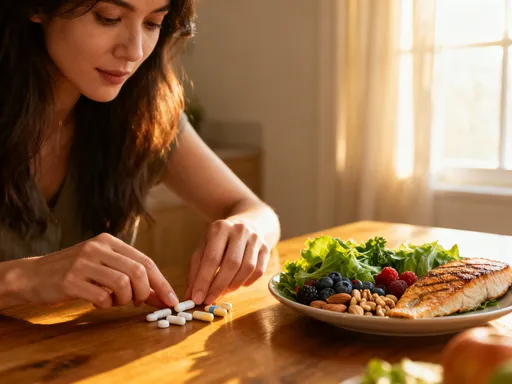
Living with medication doesn’t end at the pharmacy—what you eat can quietly make or break your recovery. I learned this the hard way. After months of sticking to my prescription, I wondered why progress stalled—until my doctor asked about my meals, not my pills. Turns out, food and medicine aren’t just sidekicks; they’re teammates. This is what happened when I finally got the balance right. What if the missing piece in your treatment plan isn’t the drug itself, but what you’re eating with it? For millions managing chronic conditions, the answer lies not only in the pill bottle but on the dinner plate.
The Unseen Battle: When Food Clashes with Medicine
Every day, people take their medications as directed, yet see little improvement. The reason may not be the medication’s failure, but an invisible conflict between food and drugs. Certain foods can alter how medications are absorbed, metabolized, or eliminated from the body. This interaction can reduce effectiveness or increase the risk of side effects, sometimes dangerously. One of the most well-documented examples is grapefruit. This seemingly healthy fruit contains compounds that inhibit an enzyme in the small intestine called CYP3A4, which is responsible for breaking down many medications. When this enzyme is blocked, drug levels in the bloodstream can rise to potentially toxic levels. Statins, certain blood pressure medications, and some anti-anxiety drugs are particularly vulnerable.
Dairy products present another common dietary interference, especially with antibiotics like tetracycline or ciprofloxacin. Calcium binds to these drugs in the digestive tract, forming an insoluble complex that the body cannot absorb. As a result, the medication passes through the system without delivering its intended effect. Patients may feel they are following instructions perfectly, only to find their infection persists. Similarly, high-sodium diets can undermine medications designed to control hypertension. Diuretics and ACE inhibitors work to reduce fluid volume and relax blood vessels, but excessive salt intake counteracts these efforts by promoting water retention and increasing blood pressure. The outcome? A frustrating cycle of medication adherence without symptom relief.
Other less obvious interactions include green leafy vegetables affecting warfarin, a blood thinner. While these vegetables are rich in vitamin K, which supports healthy blood clotting, they can reduce warfarin’s effectiveness if consumed in inconsistent amounts. A patient who suddenly increases their intake of kale or spinach may find their INR levels drop, increasing the risk of clot formation. The key is not avoidance, but consistency—maintaining a steady intake so the medication dose can be properly calibrated. These examples illustrate that food is not a neutral bystander in treatment; it is an active participant that must be managed with care.
Why Timing Matters More Than You Think
The timing of meals and medications is often overlooked, yet it plays a crucial role in treatment success. A drug’s effectiveness can depend heavily on whether it is taken on an empty stomach or with food. For instance, levothyroxine, a common medication for hypothyroidism, must be taken at least 30 to 60 minutes before breakfast and separated from calcium or iron supplements by several hours. Even a morning cup of coffee with milk can impair absorption, leading to persistent fatigue, weight gain, and mood swings—symptoms that mimic untreated thyroid disease. Patients may not realize that their routine is sabotaging their treatment.
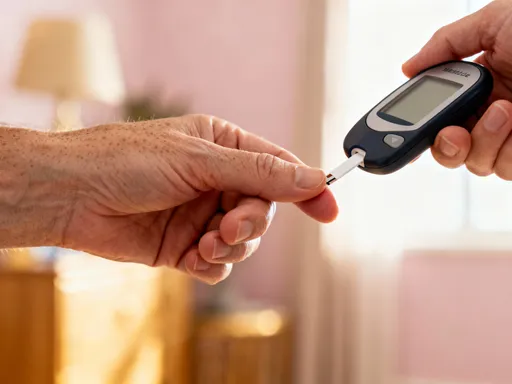
Conversely, some medications require food to prevent stomach irritation or enhance absorption. Nonsteroidal anti-inflammatory drugs (NSAIDs) like ibuprofen are best taken with a meal to reduce the risk of gastric ulcers. Similarly, certain antifungal and antiviral medications are absorbed more efficiently when taken with a fat-containing meal. Missing this detail can result in subtherapeutic drug levels and prolonged illness. For individuals managing diabetes, timing is even more precise. Insulin and oral hypoglycemic agents must be coordinated with carbohydrate intake to avoid dangerous drops in blood sugar. A delayed or skipped meal after insulin injection can lead to hypoglycemia, a medical emergency.
Spacing out certain foods and medications is equally important. Calcium supplements, antacids, and iron should be taken several hours apart from thyroid medication, certain antibiotics, and bisphosphonates used for osteoporosis. Even multivitamins can interfere if taken too close to prescription drugs. A practical approach is to map out a daily medication and meal schedule. For example, taking thyroid medication first thing in the morning with water, waiting an hour before eating, and scheduling calcium-rich meals or supplements for lunch or dinner can prevent interference. Small adjustments in timing can lead to significant improvements in energy, mood, and overall symptom control, proving that precision in routine is a powerful tool in healing.
The Gut Connection: How Your Diet Supports Drug Processing
Beneath the surface, the gut plays a silent but vital role in how medications work. The liver and kidneys are the primary organs responsible for metabolizing and eliminating drugs, but their efficiency depends on the health of the digestive system. A balanced gut microbiome—the trillions of bacteria living in the intestines—supports proper digestion, nutrient absorption, and immune function. Emerging research shows that these microbes can also influence how drugs are activated or broken down. An imbalanced gut, often caused by poor diet, antibiotics, or chronic stress, may slow drug metabolism, leading to unpredictable responses or increased side effects.
Diet directly shapes the gut microbiome. Fiber-rich foods like oats, beans, apples, and Brussels sprouts feed beneficial bacteria, promoting a diverse and resilient microbial community. These bacteria produce short-chain fatty acids that reduce inflammation and strengthen the gut lining, preventing harmful substances from entering the bloodstream. A healthy gut barrier ensures that medications are processed efficiently without triggering immune reactions. In contrast, a diet high in processed foods, sugar, and unhealthy fats can promote the growth of harmful bacteria, leading to bloating, constipation, and systemic inflammation—all of which may interfere with treatment outcomes.
Hydration and probiotics further support gut health. Water aids in the movement of food through the digestive tract and helps the liver flush out drug metabolites. Probiotic-rich foods like yogurt, kefir, sauerkraut, and kimchi introduce beneficial bacteria that can restore balance after antibiotic use. While probiotic supplements may help in some cases, food sources are often more effective and safer for long-term use. Doctors may not always discuss gut health when prescribing medication, but patients who prioritize digestive wellness often report better tolerance and faster recovery. Supporting the gut is not an alternative to medication—it is a necessary foundation for it to work as intended.
Inflammation’s Role: Calming the Body to Boost Healing
Chronic inflammation is a silent driver of many health conditions, from arthritis to heart disease to depression. It creates a hostile internal environment that can interfere with medication effectiveness. When the body is in a constant state of low-grade inflammation, tissues are less responsive to treatment, healing slows, and side effects may worsen. The good news is that diet offers a powerful way to reduce this internal fire. Processed foods, refined sugars, and trans fats are major contributors to inflammation. These ingredients trigger the release of pro-inflammatory cytokines, molecules that signal the immune system to stay on high alert, even when there is no real threat.
In contrast, whole, plant-based foods act as natural anti-inflammatories. Leafy greens like spinach and kale are rich in antioxidants that neutralize free radicals, protecting cells from damage. Berries—especially blueberries, strawberries, and raspberries—contain anthocyanins, compounds shown to reduce markers of inflammation in clinical studies. Nuts, particularly walnuts and almonds, provide healthy fats and vitamin E, which support cell membrane integrity and reduce oxidative stress. Fatty fish like salmon and mackerel offer omega-3 fatty acids, which have been extensively studied for their ability to lower inflammation and improve outcomes in patients with autoimmune and cardiovascular conditions.
The impact of an anti-inflammatory diet extends beyond physical health. For individuals taking antidepressants or anxiety medications, reducing inflammation can enhance mood stability and cognitive clarity. Brain fog, fatigue, and irritability—common side effects or symptoms—often improve when the diet is optimized. The science is clear: a calmer body responds better to treatment. Patients do not need to adopt an extreme regimen to see results. Simply replacing processed snacks with whole foods, choosing olive oil over margarine, and adding a serving of vegetables to each meal can make a measurable difference. Food, in this sense, becomes medicine—working alongside prescriptions to create a more receptive environment for healing.
Blood Sugar & Medication: The Energy Balancing Act
Blood sugar fluctuations affect more than just people with diabetes. Even individuals without diagnosed metabolic conditions experience energy crashes, mood swings, and brain fog when their glucose levels spike and plummet. These swings can interfere with medications for mental health, heart disease, and hormonal balance. Refined carbohydrates—white bread, pastries, sugary cereals—are quickly broken down into glucose, causing a rapid rise in blood sugar. In response, the pancreas releases insulin to bring levels back down. But when this cycle repeats frequently, insulin sensitivity decreases, and the body struggles to maintain balance.
For someone taking antidepressants or anti-anxiety medications, blood sugar instability can mimic or worsen symptoms. A sudden drop in glucose can trigger anxiety, shakiness, and irritability—feelings that may be mistaken for medication failure. Similarly, heart medications like beta-blockers can mask the symptoms of low blood sugar, making it harder to recognize when levels are dangerously low. Over time, chronic blood sugar swings contribute to inflammation, weight gain, and fatigue, all of which reduce the effectiveness of treatment plans.
The solution lies in balanced, consistent eating. Meals that combine protein, healthy fats, and low-glycemic carbohydrates help stabilize blood sugar. A breakfast of eggs with avocado and whole grain toast, for example, provides sustained energy without the crash. Snacks like apple slices with almond butter or Greek yogurt with berries offer a steady release of glucose. Avoiding sugary drinks and limiting processed snacks can prevent the rollercoaster effect. For those on medication, this stability supports better symptom control and fewer side effects. It also reduces the risk of developing insulin resistance, a precursor to type 2 diabetes. Managing blood sugar is not about strict dieting—it’s about making smarter, sustainable choices that support overall treatment success.
Hydration: The Forgotten Pill Partner
Water is the most essential yet overlooked element in medication management. Every physiological process, including drug absorption and elimination, depends on adequate hydration. Medications must dissolve in the digestive tract to be absorbed into the bloodstream. Without enough water, this process slows, reducing the amount of active drug available. In the kidneys, water helps filter out drug metabolites and prevent the buildup of toxins. Chronic dehydration can lead to reduced kidney function, increasing the risk of side effects and prolonging recovery.
Many people do not drink enough water, especially older adults, whose sense of thirst diminishes with age. Symptoms of dehydration—fatigue, dizziness, constipation, and headaches—are often mistaken for side effects of medication. A patient may blame their blood pressure pill for feeling lightheaded when the real issue is simply not drinking enough fluids. Diuretics, commonly prescribed for heart and kidney conditions, increase fluid loss and raise the need for water intake. Yet, some patients restrict fluids out of fear of frequent urination, unknowingly putting themselves at risk.
A simple way to monitor hydration is by checking urine color. Pale yellow indicates good hydration, while dark yellow or amber suggests the need for more water. Starting the day with a glass of water, carrying a reusable bottle, and setting reminders can help build better habits. Herbal teas and water-rich foods like cucumbers, oranges, and soups also contribute to fluid intake. While water is best, other non-caffeinated, non-alcoholic beverages count toward daily needs. The goal is consistency—spreading intake throughout the day rather than drinking large amounts at once. By treating water as a vital part of therapy, patients can improve medication effectiveness and overall well-being.
Putting It All Together: A Realistic Daily Plan
Integrating these principles into daily life does not require a complete lifestyle overhaul. The goal is not perfection, but consistency—making small, sustainable changes that support medication effectiveness. A balanced day might begin with a glass of water upon waking, followed by thyroid medication taken 30 minutes before breakfast. Breakfast could include oatmeal with berries and a handful of walnuts, providing fiber, antioxidants, and healthy fats. A mid-morning snack of Greek yogurt offers probiotics and protein, supporting gut health and blood sugar stability.
Lunch might feature a leafy green salad with grilled chicken, olive oil dressing, and a side of quinoa. This meal is rich in anti-inflammatory nutrients and avoids dairy that could interfere with afternoon medications. If taking blood pressure medication, limiting added salt and avoiding processed foods ensures the drug works efficiently. An afternoon snack of apple slices with almond butter helps maintain steady energy and prevents cravings for sugary treats.
Dinner could include baked salmon, steamed broccoli, and sweet potato—offering omega-3s, fiber, and complex carbohydrates. Calcium-rich foods like cheese or fortified plant milk are scheduled after any morning medications to prevent interference. Evening hydration continues with herbal tea or water, and a small handful of nuts provides magnesium, which may support relaxation and sleep—especially beneficial for those on medications that affect mood or energy.
Throughout the day, timing is respected: medications are taken as directed, with attention to food interactions and spacing. Alcohol is limited, as it can affect liver function and interact with many drugs. Supplements are discussed with a healthcare provider to avoid unintended conflicts. This routine is flexible—meals can vary based on preference and availability—but the core principles remain: support the gut, reduce inflammation, stabilize blood sugar, stay hydrated, and honor medication timing.
The journey of managing health with medication is complex, but food is a powerful ally. When patients understand that their diet is part of their treatment, not separate from it, they gain greater control over their well-being. Doctors, pharmacists, and nutritionists can offer guidance, but the daily choices belong to the individual. By seeing food as therapy, people can transform their relationship with both meals and medicine. Healing is not just about taking a pill—it’s about creating the right internal environment for that pill to work. With knowledge, intention, and small consistent actions, better outcomes are not only possible—they are within reach.