How I Caught My Blood Sugar Early — And Why Science Says You Should Too
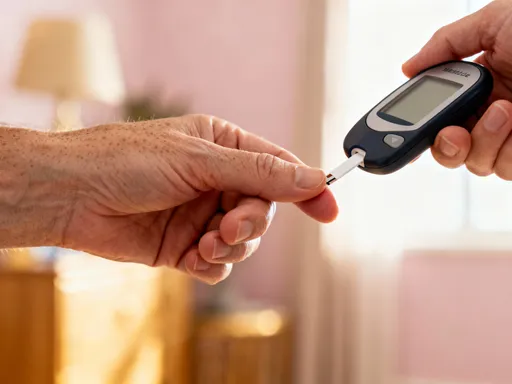
I never thought I’d be the one checking my blood sugar at home. I felt fine—until I wasn’t. Turns out, early signs of glucose imbalance are sneaky, often hiding behind fatigue or mood swings. With rising rates of metabolic issues worldwide, catching blood sugar changes early isn’t just smart—it’s essential. This isn’t about fear; it’s about awareness. Using science-backed insights, I’ll walk you through how subtle shifts in habits can make a real difference—before symptoms take over.
The Silent Shift: Recognizing Early Signs of Blood Sugar Imbalance
Many women in their 30s, 40s, and 50s report feeling constantly tired, mentally foggy, or unusually irritable—yet they chalk it up to busy lives, parenting stress, or the natural effects of aging. What often goes unnoticed is that these symptoms can be early signals of blood sugar imbalance. Unexplained fatigue, difficulty concentrating, sudden sugar cravings, and mood swings may seem minor, but together they form a pattern that the body uses to communicate distress. These are not just random inconveniences; they are physiological responses to how glucose—the body’s primary fuel—is being processed or mismanaged.
One of the most common yet under-recognized conditions linked to these symptoms is insulin resistance. Think of insulin as a key that unlocks cells to let glucose in. When insulin resistance develops, the cells begin to ignore insulin’s signal, like neighbors who stop answering repeated knocks. As a result, glucose lingers in the bloodstream, and the pancreas responds by producing even more insulin. Over time, this cycle strains the system and sets the stage for prediabetes. According to the Centers for Disease Control and Prevention (CDC), more than one in three adults in the United States has prediabetes—and over 80% of them don’t know it.
Globally, the World Health Organization reports that the number of people living with diabetes has nearly quadrupled since 1980, reaching over 500 million in recent estimates. Much of this rise is tied to lifestyle factors, including diet, physical inactivity, and weight gain, all of which influence insulin function. The good news is that insulin resistance and prediabetes are reversible when caught early. The challenge lies in recognizing the quiet onset of these changes before more serious complications arise. That’s why paying attention to how you feel day to day—especially energy dips after meals or persistent cravings—can be one of the most powerful health tools you have.
Why Early Matters: The Science Behind Timely Intervention
Metabolic dysfunction doesn’t happen overnight. It develops gradually, often over a span of years, with subtle changes that most people don’t notice until a doctor’s visit reveals elevated blood sugar levels. But by then, the body may have already endured prolonged stress on the pancreas, blood vessels, and organs. This is why timing is critical. Research consistently shows that early lifestyle intervention can delay or even prevent the progression from prediabetes to type 2 diabetes. The Diabetes Prevention Program (DPP), a landmark study supported by the National Institutes of Health, found that participants who made modest changes in diet and activity reduced their risk of developing type 2 diabetes by 58% over three years—more effective than medication alone.
One of the most compelling concepts in metabolic health is known as “metabolic memory.” This refers to the idea that early control of blood sugar levels can influence long-term health outcomes, even years later. Studies following patients with early glucose abnormalities show that those who achieve better glucose control early on have lower risks of complications such as nerve damage, vision problems, and cardiovascular disease down the line. It’s similar to fixing a small roof leak before it leads to mold, structural damage, and costly repairs. The earlier you act, the more you protect your future health.
Another reason early action is so powerful is that the body responds best to change when systems are still flexible. In the early stages of insulin resistance, cells can regain sensitivity with relatively simple adjustments. But as time passes and the condition worsens, reversing it becomes more difficult and may require medical intervention. The window of opportunity is real, and it’s wider than many realize. You don’t need to wait for a diagnosis to start making supportive changes. In fact, the most effective strategy is to act before a formal label is ever applied. Prevention isn’t passive—it’s a series of conscious, daily choices that add up to long-term resilience.
Your Body’s Warning System: How Glucose Affects Daily Function
Blood sugar isn’t just a number on a lab report—it directly influences how you feel from moment to moment. When glucose levels spike after a meal and then crash, it can lead to a familiar cycle: energy surge followed by fatigue, irritability, and hunger. This rollercoaster is especially noticeable in the mid-afternoon, when many women report hitting a wall, reaching for coffee or candy to stay alert. These are not signs of laziness or lack of willpower; they are physiological responses to unstable glucose levels.
Glucose is the brain’s preferred fuel. When levels drop too low, cognitive functions like focus, memory, and decision-making suffer—leading to what many describe as “brain fog.” At the same time, mood-regulating neurotransmitters such as serotonin are influenced by blood sugar stability. Rapid fluctuations can trigger anxiety, mood swings, or emotional eating, especially cravings for sweets or refined carbohydrates. These cravings aren’t a failure of discipline; they are the body’s attempt to quickly raise glucose levels when it senses a drop.
Insulin plays a central role in this process. After eating, especially meals high in refined carbs or sugar, the pancreas releases insulin to help cells absorb glucose. But when this happens frequently, cells become less responsive, requiring more insulin to achieve the same effect. Over time, this leads to higher baseline insulin levels and increased fat storage, particularly around the abdomen. The result? Weight gain that’s hard to lose, persistent hunger, and low energy—all while calorie intake may not be excessive. Recognizing these patterns as feedback from your body, rather than personal shortcomings, is a crucial step toward better health.
Testing Smarter: Understanding Your Numbers Without Fear
One of the most empowering steps you can take is understanding your blood sugar numbers. Two key tests are commonly used: fasting blood glucose and HbA1c. Fasting glucose measures your blood sugar after not eating for at least eight hours and gives a snapshot of your baseline level. A result between 100 and 125 mg/dL indicates prediabetes. HbA1c, or glycated hemoglobin, reflects your average blood sugar over the past two to three months. An HbA1c between 5.7% and 6.4% is considered prediabetic. These ranges are not diagnoses of disease but signals that your body is under metabolic stress.
Many women are surprised to learn their numbers fall into the prediabetes range, especially if they feel healthy. But borderline results should never be dismissed. They are not a life sentence—they are a call to action. The goal is not to create anxiety but to gain insight. Regular check-ups with your healthcare provider can help track these markers over time and identify trends before they become problems.
For those interested in more detailed monitoring, tools like continuous glucose monitors (CGMs) are now available. Originally designed for people with diabetes, CGMs provide real-time feedback on how different foods, activities, and sleep patterns affect glucose levels. While not necessary for everyone, they can be eye-opening for understanding personal responses. For example, one woman might see a spike after eating oatmeal, while another remains stable—highlighting that individual responses vary. The key is using data as a guide, not a source of stress. Testing is not about perfection; it’s about awareness and informed choices.
Food as Foundation: Practical Nutrition for Stable Glucose
Diet plays a central role in managing blood sugar, but it doesn’t require extreme restrictions or trendy diets. The foundation of glucose stability lies in whole, minimally processed foods rich in fiber, protein, and healthy fats. These nutrients slow the absorption of glucose into the bloodstream, preventing sharp spikes and crashes. Instead of focusing on counting carbs, shift attention to food quality and meal composition.
One simple yet powerful strategy is food sequencing—eating foods in a specific order during meals. Research suggests that starting a meal with vegetables, followed by protein and healthy fats, and saving carbohydrates for last can significantly reduce post-meal glucose spikes. For example, eating a salad with olive oil and grilled chicken before a small portion of brown rice leads to a much gentler rise in blood sugar than eating the rice first. This approach doesn’t eliminate carbs but helps the body handle them more effectively.
Practical meal ideas include a vegetable omelet with avocado for breakfast, a lentil and spinach soup with a side of Greek yogurt for lunch, or baked salmon with roasted Brussels sprouts and quinoa for dinner. Simple swaps can also make a difference: choosing steel-cut oats over instant, whole fruit over juice, or lentils instead of white rice. These changes are sustainable because they don’t feel punitive. They focus on adding nourishing foods rather than removing entire food groups.
It’s also important to debunk the myth that all carbohydrates are bad. Carbohydrates are not the enemy—context matters. Whole grains, legumes, fruits, and starchy vegetables provide essential nutrients and fiber. The issue arises with highly processed, refined carbs like white bread, pastries, and sugary cereals, which are quickly broken down into glucose. By choosing complex carbs and pairing them wisely, you support steady energy and long-term metabolic health.
Movement That Works: Daily Habits to Improve Insulin Sensitivity
Physical activity is one of the most effective ways to improve insulin sensitivity—the body’s ability to respond to insulin and move glucose into cells. The good news? You don’t need intense workouts or hours at the gym. Even short bursts of movement can make a meaningful difference. One of the most researched and practical strategies is walking after meals. Studies show that just 10 to 15 minutes of light walking after eating can lower post-meal glucose levels by up to 20%. This is especially helpful after dinner, when activity tends to drop off.
Beyond structured exercise, everyday movement—known as non-exercise activity thermogenesis (NEAT)—plays a vital role. NEAT includes activities like standing, folding laundry, gardening, or pacing while on the phone. These small actions add up and help muscles use glucose more efficiently. For women with busy schedules, integrating movement into daily routines is more sustainable than relying on isolated workouts. Try standing up every 30 minutes if you work at a desk, taking the stairs instead of the elevator, or doing light stretching while watching TV.
Strength training is another key component. Building muscle mass increases the body’s capacity to store glucose, acting like a larger battery for energy. Simple bodyweight exercises such as squats, wall push-ups, or resistance band workouts can be done at home with minimal equipment. Starting with two sessions per week can yield noticeable benefits over time. The goal is consistency, not intensity. Movement should feel supportive, not punishing. When exercise is framed as self-care rather than a chore, it becomes easier to maintain for life.
Putting It Together: Building a Sustainable Prevention Plan
Managing blood sugar isn’t about one perfect meal or a single workout—it’s about creating a lifestyle that supports metabolic health every day. The most effective approach is holistic, combining nutrition, movement, sleep, and stress management. Each of these elements influences insulin function and glucose control. For example, poor sleep can increase insulin resistance, while chronic stress raises cortisol, a hormone that elevates blood sugar. Addressing all aspects creates a stronger foundation than focusing on any single factor alone.
The key to success is starting small and building gradually. Choose one change to focus on first—perhaps adding a daily walk, eating vegetables before carbs at dinner, or replacing a sugary snack with a handful of nuts. Small steps are more likely to stick because they don’t overwhelm. As one habit becomes routine, add another. Over time, these choices compound into significant health benefits.
Tracking can be helpful, but it shouldn’t become obsessive. Keeping a simple journal of how you feel, what you eat, and your activity levels can reveal patterns without the pressure of perfection. Some women find value in periodic check-ins with their doctor to monitor HbA1c or fasting glucose, using the results as feedback rather than judgment. The goal is not to achieve a perfect number but to move in a healthier direction.
Early action isn’t about fear or restriction—it’s about protection and empowerment. By tuning in to your body’s signals and making gentle, consistent changes, you’re not just reducing the risk of future health problems. You’re enhancing your energy, focus, and emotional well-being today. This is preventive health at its best: informed, practical, and deeply personal.
Managing blood sugar early isn’t about waiting for a diagnosis—it’s about listening to your body now. Small, science-backed changes today can shape long-term health more than any single medication later. This isn’t fear-mongering; it’s empowerment. By understanding the signals and taking gentle, consistent action, you’re not just avoiding disease—you’re building a healthier, more energetic life. Always consult a healthcare provider to personalize your path—because real health is both informed and individual.