How I Keep My Body Loose and Moving—Simple Massage Habits That Actually Work
We all carry tension—whether from sitting too long, stress, or everyday life. I used to feel stiff and drained, until I discovered how simple self-massage routines could make a real difference. This isn’t about fancy treatments or spa days. It’s about small, consistent habits that help maintain mobility, ease discomfort, and keep your body feeling alive. No magic tricks—just practical, doable steps that fit into real life. Over time, these moments of intentional touch became less about fixing pain and more about staying connected to my body. And that shift made all the difference.
The Daily Ache Everyone Ignores
Most people wake up with some form of stiffness—a tight neck, sore shoulders, or a lower back that protests the moment they stand. These sensations are so common that many dismiss them as normal. But normal doesn’t mean healthy. What often begins as mild discomfort can slowly evolve into chronic tension if left unaddressed. The reality is that modern life is built around stillness: hours at a desk, long commutes, evenings spent on the couch. Our bodies were not designed for such prolonged inactivity, yet we expect them to function smoothly without much support.
Consider the typical day of a working adult. Mornings begin with a rush, often skipping stretches or movement. By midday, the shoulders have crept up toward the ears, the neck is tight, and the lower back feels heavy. By evening, fatigue sets in, not just mentally but physically. Sleep may be disrupted by muscle tension, especially in the hips or calves. These patterns are not signs of injury, but signals from the body asking for attention. Ignoring them can lead to reduced range of motion, poor posture, and even changes in how we breathe and move throughout the day.
What makes this tension so persistent is not one single cause, but a combination of habits. Poor ergonomics, emotional stress, lack of movement, and even dehydration contribute to how our muscles hold on to strain. The body responds to stress by tightening certain muscle groups as a protective mechanism. Over time, this protective tightening becomes habitual, even when the original stressor is gone. The result is a body that feels rigid, slow to respond, and disconnected from its natural ease of motion. Recognizing these signs early allows for gentle intervention before deeper imbalances take root.
Why Massage Isn’t Just for Recovery—It’s for Maintenance
Many people think of massage only when something hurts—a sore back, a strained muscle, or after intense physical activity. But massage is not only for recovery; it is equally important for daily maintenance. Just as brushing your teeth prevents cavities, regular soft-tissue work helps prevent the buildup of tension, supports circulation, and maintains flexibility. When done consistently, it becomes a form of proactive care rather than reactive treatment. This shift in mindset—from fixing problems to preventing them—is key to long-term well-being.
Touch has a profound effect on the body’s nervous system. Gentle pressure applied to muscles can signal the brain to relax, reducing the constant low-level alertness that many carry from daily stress. This relaxation response improves blood flow, delivering more oxygen and nutrients to tissues while helping remove metabolic waste. Over time, this supports muscle recovery, reduces inflammation, and enhances overall physical resilience. The benefits go beyond the physical: people who engage in regular self-massage often report feeling calmer, more centered, and more aware of their bodies.
Another benefit of consistent massage is improved proprioception—the body’s ability to sense its position and movement. When muscles are chronically tight, they send distorted signals to the brain, which can affect coordination and balance. Regular self-massage helps reset these signals, allowing for smoother, more efficient movement. It also increases joint mobility by reducing fascial restrictions—the connective tissue that surrounds muscles and organs. When fascia becomes stiff or粘连 (adhered), it limits movement and contributes to discomfort. Gentle, sustained pressure can help release these restrictions over time.
Thinking of massage as maintenance also removes the stigma that it’s indulgent or unnecessary. Like hydration, sleep, or nutrition, physical care is a foundational part of health. When integrated into daily life, even in small ways, it supports energy levels, mood, and physical function. The goal is not perfection or dramatic transformation, but steady, sustainable support for the body’s natural ability to heal and adapt.
My Go-To Self-Massage Moves (No Expertise Needed)
You don’t need special training to begin reaping the benefits of self-massage. Simple techniques using your hands or basic tools can make a meaningful difference. The key is consistency and attention to how your body responds. Start with areas that commonly hold tension: the neck, shoulders, calves, and feet. Spend just 2 to 5 minutes on each zone, using slow, deliberate movements. The goal is not to cause pain, but to apply enough pressure to stimulate blood flow and release tightness.
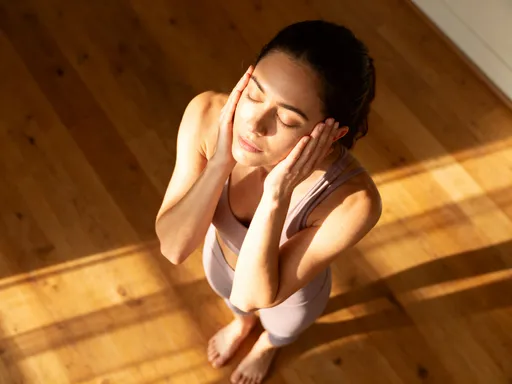
For the neck and shoulders, use your fingertips or the base of your palm. Gently press into the muscles at the base of the skull and along the sides of the neck. Move in small circles or slow back-and-forth motions. If you feel a knot or tight spot, pause and hold steady pressure for 20 to 30 seconds, allowing the muscle to gradually soften. Avoid pressing directly on the spine or throat. This area is sensitive, so use a light to moderate touch. Doing this for a few minutes in the morning or before bed can ease stiffness and promote relaxation.
The calves are another common tension zone, especially for those who stand or walk a lot. Sit on the floor with one leg extended and use your hands to squeeze and roll the calf muscle from the ankle up toward the knee. You can also use a foam roller: place the roller under your calves, lift your hips slightly off the ground, and slowly roll back and forth. If you find a tender spot, stop and breathe into it, allowing the muscle to release. This not only relieves tightness but also helps prevent cramps and improves circulation in the lower legs.
For the feet, try using a tennis ball or lacrosse ball. Sit in a chair and place the ball under your foot. Roll it slowly from heel to toes, applying gentle pressure. Focus on areas that feel stiff or achy. The feet contain numerous nerve endings and reflex points, and massaging them can have a surprisingly calming effect on the entire body. Many people notice improved posture and reduced lower back tension after regular foot massage, likely due to better alignment and sensory feedback from the feet to the brain.
Tools That Make It Easier (And Actually Worth It)
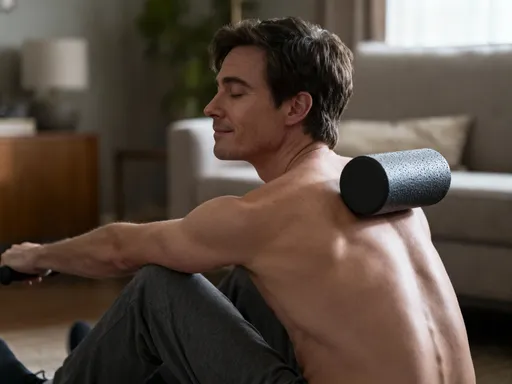
While hands are effective, simple tools can enhance the depth and efficiency of self-massage. A foam roller, for example, allows you to apply broad pressure to large muscle groups like the back, hamstrings, and quadriceps. Choose a medium-density roller if you’re new to this—too firm can be overwhelming, while too soft may not provide enough release. Use it by positioning the roller under the target area and using your arms or opposite leg to control the movement. Roll slowly, pausing on tight spots for 20 to 30 seconds. Even 5 to 10 minutes a few times a week can improve flexibility and reduce soreness.
A lacrosse ball or massage ball is excellent for targeting smaller, deeper areas like the glutes, shoulders, or feet. Its firm surface can reach trigger points—knots of muscle that refer pain to other areas. To use it, place the ball between your body and a wall or the floor, then lean into it gently. For example, to release the glutes, sit on the floor with the ball under one buttock and cross the opposite ankle over the knee. Slowly shift your weight to apply pressure. Breathe deeply and stay on the spot until you feel a release. These balls are inexpensive, portable, and highly effective when used with care.
Handheld massagers are another option, especially for those with limited mobility or difficulty reaching certain areas. Many models offer adjustable intensity and interchangeable heads for different sensations. While not essential, they can be helpful for consistent use, particularly if manual pressure is tiring. Look for one with variable speeds and a quiet motor if you plan to use it during relaxation time. The goal is not vibration alone, but rhythmic stimulation that mimics the kneading motion of hands.
When choosing tools, prioritize quality and safety. Avoid overly aggressive devices or anything that causes sharp pain. Never roll directly over joints, bones, or inflamed areas. If you have medical conditions like osteoporosis, neuropathy, or blood clotting disorders, consult a healthcare provider before using deep pressure tools. For most people, however, these aids are safe and supportive when used mindfully. The right tools make self-massage more accessible, increasing the likelihood of sticking with it long term.
When to See a Pro—And Why It’s Not Weakness
Self-massage is a powerful tool, but it is not a substitute for professional care. There are times when discomfort goes beyond everyday tension and signals something that requires expert evaluation. Persistent pain, limited range of motion, numbness, tingling, or weakness in a limb should never be ignored. These symptoms may indicate nerve compression, joint dysfunction, or other underlying conditions that need proper diagnosis and treatment. Seeking help from a licensed massage therapist, physical therapist, or healthcare provider is not a sign of failure—it’s an act of responsibility.
Professionals bring skills and perspective that self-care cannot replicate. A trained therapist can assess muscle imbalances, identify movement patterns contributing to pain, and apply techniques that are difficult to perform on oneself. They may use deeper modalities, stretching, or joint mobilization that go beyond what’s safe or possible at home. Their expertise allows for a more comprehensive approach, especially when dealing with chronic or recurring issues. Think of it as a tune-up: just as you’d take a car to a mechanic for a thorough check, your body benefits from periodic professional assessment.
Additionally, therapists can guide you in refining your self-care routine. They might suggest specific exercises, stretches, or modifications based on your body’s needs. This partnership between professional care and daily self-maintenance creates a stronger foundation for long-term health. It’s not an either/or choice—both are valuable. In fact, regular self-massage can enhance the effects of professional sessions by prolonging their benefits and increasing body awareness between visits.
Normalizing the idea of seeking help is important, especially for those who feel they should be able to “handle it on their own.” Taking care of your body is not about toughness or endurance; it’s about sustainability and quality of life. Asking for support when needed is a sign of strength, not weakness. It reflects a commitment to feeling your best and functioning well in daily life, whether that means playing with grandchildren, enjoying walks, or simply moving without discomfort.
How This Fits Into a Real Life (Not a Perfect Routine)
One of the biggest barriers to consistent self-massage is the belief that it requires a lot of time, space, or knowledge. But real life is rarely ideal. You might be tired after work, distracted by family needs, or unsure if you’re “doing it right.” The truth is, perfection is not the goal. Even a few minutes of intentional touch can make a difference. The key is to integrate these practices into moments that already exist in your day, rather than waiting for the “perfect” time that may never come.
For example, roll your calves while watching television. Use a massage ball on your shoulders during a phone call. Spend five minutes before bed massaging your feet or neck to unwind. These small acts add up. Habit stacking—pairing a new behavior with an existing one—increases the chances of consistency. If you already have a nightly routine of brushing your teeth and washing your face, add a brief self-massage session right after. Over time, it becomes a natural part of your self-care rhythm.
Motivation will fluctuate, and that’s okay. Some days you may do more, others less. The important thing is to stay connected to the purpose: caring for your body. On days when energy is low, even gentle hand pressure or slow breathing while touching tense areas can be beneficial. You don’t need special tools or a quiet room. What matters is the intention behind the action. Over time, this practice fosters a deeper relationship with your body, helping you notice changes sooner and respond with kindness.
Many people also worry they don’t know enough about anatomy or technique. But you don’t need to be an expert to benefit. Start with what feels right. Use your hands, listen to your body, and avoid pain. If something doesn’t feel good, stop or adjust. Your body gives clear feedback—learn to trust it. As you become more familiar with your own patterns of tension, you’ll naturally develop a routine that works for you. The goal is not mastery, but maintenance and awareness.
Long-Term Gains: More Than Just Feeling Loose
The benefits of regular self-massage extend far beyond temporary relief. Over weeks and months, many people notice improved posture, easier movement, and fewer aches. But the deeper gains are often less visible: better sleep, reduced stress levels, and a greater sense of calm. Physical ease influences mental clarity. When the body is not constantly signaling discomfort, the mind can focus more fully on the present moment. This subtle shift can improve mood, patience, and overall resilience in daily life.
Another long-term benefit is increased body awareness. As you touch and explore your muscles, you begin to recognize early signs of tension. You might notice your shoulders rising when stressed, or your jaw tightening during busy moments. This awareness allows for timely intervention—a few minutes of massage, a stretch, or simply taking a breath. Over time, you develop a more responsive relationship with your body, one based on care rather than correction.
There’s also an emotional dimension to this practice. Touch is a fundamental human need. When we give ourselves kind, intentional touch, we send a message of self-worth. It becomes a quiet affirmation: *I matter. I deserve care.* In a world that often prioritizes productivity over well-being, this act of self-kindness is revolutionary. It doesn’t require grand gestures, only small, consistent choices to show up for yourself.
Ultimately, self-massage is not just about muscles. It’s about cultivating a lifestyle of attentiveness and balance. It supports energy, mobility, and emotional stability in ways that accumulate quietly but powerfully. It’s not a cure-all, but a meaningful part of a holistic approach to health. When practiced regularly, it becomes less of a task and more of a ritual—a way of honoring the body that carries you through life.