Salt, Sweat, and Strength: How I Balanced Low-Sodium Living with Real Fitness
Living with high blood pressure scared me—until I discovered that cutting salt and moving smarter changed everything. Doctors said reduce sodium, but I didn’t want to lose flavor or energy. So I tested small, science-backed shifts in eating and training. The result? More stamina, less bloating, and real progress—without bland meals or burnout. This is how simple choices transformed my health from the inside out.
The Wake-Up Call: Why I Had to Rethink Salt
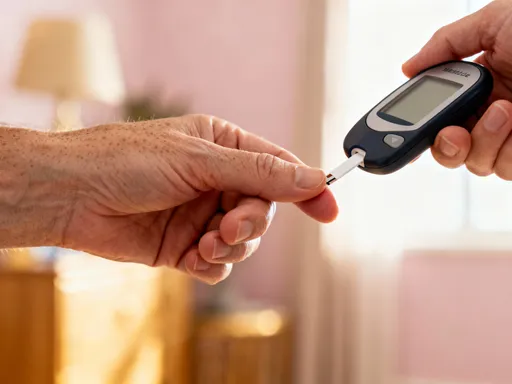
It was a routine doctor’s visit that changed the course of my days. At 47, I considered myself fairly healthy—active, not overweight, eating what I thought was a balanced diet. But when the nurse repeated the blood pressure reading—148 over 94—I felt a cold wave of concern. The doctor didn’t panic, but her tone shifted. “We need to talk about your sodium intake,” she said. That moment was my wake-up call. High blood pressure doesn’t always come with symptoms, but it quietly strains the heart and blood vessels, increasing the risk of serious health issues over time. For me, it wasn’t obesity or genetics—it was what I was eating every day, often without realizing it.
Salt, or more precisely sodium chloride, has long been a kitchen staple. It enhances flavor, preserves food, and is deeply woven into culinary traditions. But not all sodium is created equal. The sodium in a fresh tomato or a handful of nuts is minimal and comes with potassium and fiber, which help balance its effects. The real problem lies in processed sodium—the kind hidden in canned soups, frozen dinners, deli meats, and even breakfast cereals. These sources contribute the majority of sodium in the average American diet, according to the Centers for Disease Control and Prevention. The body needs a small amount of sodium to regulate fluid balance, transmit nerve signals, and support muscle contractions. But too much disrupts this delicate equilibrium, pulling water into the bloodstream and increasing blood volume. This extra volume forces the heart to work harder, raising blood pressure over time.
What surprised me most was learning that sodium isn’t the enemy—it’s the imbalance that’s dangerous. Eliminating salt entirely isn’t necessary or even safe. The body relies on electrolytes like sodium, potassium, and magnesium to function properly. The goal isn’t to remove sodium but to manage it wisely. Reducing processed foods while keeping natural sources allows the body to maintain balance without deprivation. For women in their 30s to 50s, this balance becomes even more crucial. Hormonal shifts, slower metabolism, and lifestyle stress can amplify the effects of excess sodium. Recognizing this helped me shift from fear to empowerment. Instead of seeing low-sodium living as a punishment, I began to view it as a form of self-respect—a way to honor my body’s needs and protect my long-term well-being.
What “Low-Salt” Really Means (And What It Doesn’t)
When I first heard “low-salt diet,” I pictured unsalted rice, steamed vegetables without seasoning, and meals that tasted like cardboard. But after researching guidelines from organizations like the American Heart Association and the World Health Organization, I realized that “low-sodium” doesn’t mean “no flavor.” The recommended daily limit for most adults is less than 2,300 milligrams of sodium, with an ideal target of 1,500 mg for those with high blood pressure or other cardiovascular risks. That’s about one teaspoon of salt or less—not a lifetime ban. The key is understanding where that sodium comes from and making smarter choices.
Most people are shocked to learn that only about 10% of dietary sodium comes from the salt shaker. The rest hides in packaged and prepared foods. A single slice of store-bought bread can contain 150 to 250 mg of sodium. A serving of canned soup might have over 800 mg. Even yogurt, granola bars, and plant-based meat alternatives can be loaded with sodium to enhance taste and shelf life. These hidden sources add up quickly, often without the eater’s knowledge. Reading nutrition labels became my first line of defense. I learned to scan for terms like “sodium,” “monosodium glutamate (MSG),” “sodium benzoate,” and “baking soda,” all of which contribute to total intake. I also began checking serving sizes—sometimes a package contains two or three servings, making it easy to double or triple the sodium without realizing it.
One of the biggest myths I had to unlearn was that cutting salt meant cutting flavor. The truth is, taste buds adapt. Within a few weeks of reducing processed sodium, many people find that foods taste saltier than before—even those with less salt. This happens because the palate recalibrates. At the same time, eliminating excess sodium reduces water retention, which can lead to a noticeable decrease in bloating and puffiness, especially around the face and hands. Another myth is that you need salt to perform well during exercise. While sodium is important for maintaining electrolyte balance, especially during prolonged sweating, most people consume far more than they lose through sweat. For moderate workouts, water and a balanced diet are usually enough. Only during intense, long-duration exercise—like a marathon or hot yoga session—might additional electrolytes be needed, and even then, options like potassium-rich bananas or low-sodium sports drinks can help.
Flavor doesn’t have to suffer. In fact, reducing salt opened the door to a whole new world of taste. I began experimenting with herbs like rosemary, thyme, and cilantro. Spices such as cumin, turmeric, and smoked paprika added depth without sodium. A squeeze of lemon or lime, a splash of apple cider vinegar, or a dash of hot sauce could transform a simple dish. I discovered that umami—the savory fifth taste—could be achieved through mushrooms, tomatoes, and nutritional yeast instead of soy sauce or bouillon. These small shifts didn’t feel like sacrifice; they felt like discovery. Low-sodium eating, I realized, wasn’t about restriction. It was about rediscovering real flavor and nourishing my body in a more intentional way.
Fueling Workouts Without Water Retention or Fatigue
When I first cut back on sodium, I made a common mistake—I did it too quickly. I switched to low-sodium foods overnight, avoided all processed items, and drank extra water. Within days, I felt sluggish. My workouts suffered. I couldn’t finish my usual 30-minute walk without feeling drained. My muscles felt weak, and I experienced occasional cramps. I almost gave up, thinking the low-sodium lifestyle wasn’t for me. But then I learned about the importance of gradual adjustment. Sodium plays a key role in fluid balance and nerve function. When levels drop too fast, the body can struggle to adapt, leading to fatigue, dizziness, and reduced exercise capacity. The solution wasn’t to go back to high-sodium foods—it was to transition more mindfully.
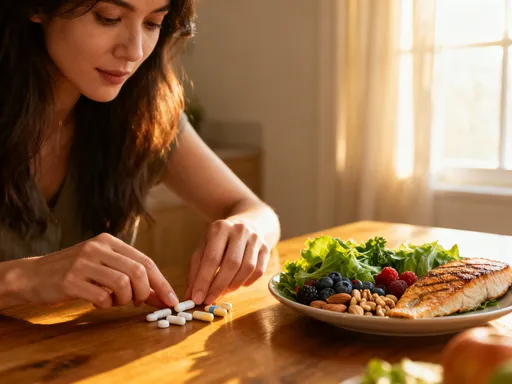
One of the most important lessons was timing. Instead of cutting sodium all at once, I reduced it gradually over three to four weeks. This allowed my body to adjust without shocking my system. I also paid closer attention to hydration. While drinking water is essential, replacing sodium too quickly after cutting it can undo progress. During workouts, I focused on maintaining steady hydration with water and, when needed, a small amount of natural electrolytes. Coconut water, for example, contains potassium and magnesium with much less sodium than sports drinks. A banana before or after exercise helped replenish potassium, which works with sodium to regulate muscle function. I also made sure my pre-workout meals included complex carbohydrates and lean protein to sustain energy—like oatmeal with berries and a boiled egg, or a small serving of quinoa with grilled chicken and vegetables.
Post-workout recovery became just as important. I used to rely on salty snacks after exercise, thinking I needed to “replace what I lost.” But I learned that most people don’t sweat enough sodium during moderate activity to require immediate replacement. Instead, I focused on balanced meals that included whole grains, vegetables, and plant-based proteins. A stir-fry with tofu, broccoli, and brown rice seasoned with garlic and ginger became a favorite. These meals supported muscle repair and energy restoration without spiking my sodium intake. I also noticed that my recovery time improved. Without the bloating and fluid retention caused by high sodium, my body felt lighter and more responsive. My heart rate returned to normal faster after exercise, and I slept more deeply at night.
Over time, my stamina increased. I could walk longer, lift heavier weights, and move with more confidence. The initial fatigue gave way to stable energy. I no longer experienced the mid-afternoon crashes that used to send me reaching for salty chips or crackers. My motivation improved because I could see and feel the progress. I wasn’t just surviving my workouts—I was enjoying them. This shift taught me that fitness isn’t just about intensity or speed. It’s about consistency, balance, and listening to your body. When nutrition and movement work together, real transformation happens—not just in appearance, but in how you feel every day.
My 4-Step Kitchen Reset for Flavor That Lasts
Changing my eating habits started in the kitchen. I knew that if I wanted to stick with low-sodium living, I had to make it enjoyable. Bland food wouldn’t last. So I developed a simple four-step reset that transformed the way I cook and eat. The first step was learning to read labels like a detective. I didn’t just look for “sodium” on the nutrition facts panel—I checked the ingredients list. Words like “sodium caseinate,” “sodium nitrate,” and “disodium phosphate” are common in processed foods and add up quickly. I also learned to compare brands. One canned bean label might list 400 mg per serving, while a low-sodium version of the same product had only 100 mg. Rinsing canned beans and vegetables under water can remove up to 30% of the sodium, making them even safer to use.
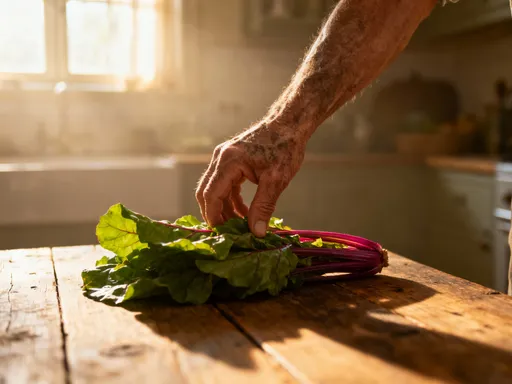
Step two was building flavor with alternatives. I invested in a variety of dried herbs and spices, storing them in clear jars so I could see what I had. I kept fresh garlic, onions, and ginger on hand—they form the base of so many savory dishes. Citrus zest and juice added brightness to fish, chicken, and salads. Vinegars—balsamic, red wine, rice—brought tang and depth. I discovered that roasting vegetables brought out their natural sweetness, reducing the need for salt. A sheet pan of roasted sweet potatoes, Brussels sprouts, and red onions with olive oil and rosemary became a weekly staple. These ingredients didn’t just replace salt—they enhanced the food in ways I hadn’t imagined.
Step three was batch-cooking. I dedicated two hours on Sunday to prepare low-sodium staples that would last all week. I made a big pot of vegetable soup using low-sodium broth, loaded with carrots, celery, kale, and lentils. I cooked a batch of brown rice and quinoa to use as bases for grain bowls. I prepared homemade marinades using olive oil, lemon juice, garlic, and oregano to flavor chicken or fish. These meals were not only healthier but also saved me time during busy weekdays. Having ready-to-eat options reduced the temptation to order takeout or grab a frozen meal high in sodium. I stored portions in glass containers, labeling them with dates to stay organized.
Step four was dining out without derailing. I used to avoid restaurants when trying to eat healthy, but I learned that with a few simple strategies, I could enjoy meals out safely. I started by checking menus online before going. I looked for dishes labeled “fresh,” “grilled,” or “steamed” and avoided anything described as “crispy,” “breaded,” or “smothered.” When I arrived, I wasn’t afraid to ask for modifications. “Can this be made without added salt?” or “Could the dressing be served on the side?” were easy, polite questions. Most restaurants are willing to accommodate. I also avoided the bread basket and skipped the chips and salsa before meals—common sources of hidden sodium. With these steps, eating out became part of my lifestyle, not a setback.
The Fitness Plan That Works *With* Low-Sodium Eating
Fitness and nutrition are partners, not rivals. When I changed my diet, I knew I had to adjust my workouts too. My old routine—high-intensity interval training three times a week and long weekend runs—left me exhausted. I wasn’t fueling properly, and the sudden drop in sodium made it worse. So I redesigned my fitness plan to support my new lifestyle. The goal wasn’t to push harder but to move smarter. I focused on balance: strength, cardiovascular health, and mobility. This approach not only protected my heart but also helped me build sustainable habits.
Consistency, I learned, beats intensity. Instead of aiming for exhausting workouts, I committed to moving every day, even if it was just for 20 minutes. My weekly plan included three strength training days using bodyweight exercises, resistance bands, or light dumbbells. I focused on major muscle groups—legs, back, chest, core—with moves like squats, lunges, push-ups, and planks. These exercises built strength without overtaxing my system. I paired them with two cardio sessions, such as brisk walking, cycling, or swimming, lasting 30 to 45 minutes. These activities improved circulation and helped lower blood pressure naturally. I also scheduled two active recovery days, doing gentle yoga, stretching, or a leisurely walk in the park. These sessions reduced stiffness, improved flexibility, and supported mental well-being.
During the first two weeks of reducing sodium, I scaled back intensity. I replaced high-impact exercises with low-impact ones. Instead of jumping jacks, I did step touches. Instead of sprinting, I walked at a steady pace. This gave my body time to adjust without increasing fatigue. I paid attention to how I felt during and after workouts. If I felt dizzy or unusually tired, I stopped and rested. I also monitored my heart rate, using a simple fitness tracker to ensure I stayed in a safe zone—usually 50% to 70% of my maximum heart rate. Over time, as my energy stabilized, I gradually increased duration and resistance. The progress was slow but steady, and that was okay.
This balanced routine did more than improve my fitness. It improved my sleep, reduced stress, and gave me a sense of control. I wasn’t chasing quick results—I was building a foundation for lifelong health. And because the workouts were manageable, I stuck with them. I didn’t need a gym membership or fancy equipment. I used what I had at home and adjusted based on how I felt each day. This flexibility made the plan sustainable. Most importantly, it worked in harmony with my low-sodium diet. Together, they created a cycle of positive change: better eating led to better energy, which led to better workouts, which led to better health.
Listening to My Body: Signs I Was on the Right Track
One of the most powerful changes was learning to listen to my body. Before, I ignored signals like fatigue, bloating, or poor sleep, blaming them on stress or aging. But as I adjusted my diet and fitness routine, I began to notice subtle shifts. Within the first week, the puffiness in my face and hands decreased. My rings fit better. My clothes felt looser, even though I hadn’t lost significant weight. This was likely due to reduced fluid retention—a direct result of cutting excess sodium. I also slept more soundly. I used to wake up multiple times at night, but now I slept through until morning. My energy levels became more stable. No more 3 p.m. crashes. I felt alert and focused throughout the day.
My fitness performance improved too. I could walk farther without stopping. My heart rate recovered faster after climbing stairs. I used a simple test: I’d check my pulse immediately after a two-minute brisk walk and again one minute later. The faster it returned to normal, the better my cardiovascular fitness. Over time, that recovery time shortened, a sign that my heart was becoming more efficient. I also noticed mental shifts. The brain fog I used to experience—especially in the afternoon—lifted. I felt more motivated to plan meals, stay active, and stick with my goals. These weren’t dramatic changes, but they added up. Each small win reinforced my confidence.
Of course, not every day was perfect. There were moments when I felt tired or tempted to go back to old habits. I learned to distinguish between normal adjustment and warning signs. Mild fatigue or muscle cramps in the first week were expected as my body adapted. But persistent dizziness, extreme weakness, or irregular heartbeat were red flags. In those cases, I knew to pause and consult my doctor. Regular check-ups helped me track my blood pressure and electrolyte levels, ensuring I stayed safe. Listening to my body didn’t mean ignoring professional advice—it meant combining medical guidance with personal awareness. This partnership gave me the best chance for long-term success.
Making It Last: From Short-Term Fix to Lifestyle Shift
The biggest lesson I’ve learned is that health isn’t about perfection. It’s about progress. I don’t follow a low-sodium diet because I have to—I do it because I want to feel my best. Small wins built lasting habits. Swapping one high-sodium snack for a homemade trail mix. Choosing grilled fish over fried. Taking a walk after dinner instead of sitting down. These choices, repeated over time, created a new normal. I didn’t need willpower—I needed routine. Meal prep, joyful movement, and self-compassion became my foundation.
I involved my family, too. We started cooking together, trying new recipes and sharing meals at the table. My husband now prefers the herb-seasoned chicken I make over the salty takeout we used to order. My teenage daughter even asked for my roasted vegetable recipe for a school project. Finding a workout buddy helped keep me accountable. We meet for weekly walks and share tips on healthy eating. These connections made the journey easier and more meaningful.
In the end, this isn’t just about lowering blood pressure or avoiding medication. It’s about reconnection—reconnecting with my body, my energy, and my daily choices. Health isn’t a destination. It’s a series of small, intentional acts that add up over time. By balancing salt, sweat, and strength, I didn’t just change my diet. I changed my life. And the best part? I didn’t lose flavor. I found it.