How I Regained My Balance – A Real Talk Guide to Smarter Recovery Training
You don’t realize how much you rely on balance until it’s gone. A minor injury, surgery, or even just aging can leave you feeling wobbly and unsure with every step. I’ve been there—staring at the floor during simple moves, scared of falling. But here’s the good news: balance isn’t fixed, it’s trainable. With the right rehab approach, noticeable improvements are possible. This is a science-backed, practical look at how recovery training rebuilds stability—safely, effectively, and step by step.
Why Balance Matters More Than You Think
Beyond the ability to stand on one leg, balance is a complex coordination of sensory input, muscle control, and brain processing. It’s the quiet system working behind the scenes every time you walk across a room, reach for a high shelf, or shift your weight while carrying a laundry basket. When this system falters, even routine activities become uncertain. Imagine stepping off a curb and your foot lands awkwardly, or turning your head while walking up the stairs and suddenly feeling unsteady. These aren’t just minor hiccups—they’re signs that your body’s stability network needs attention.
Poor balance increases the risk of falls, which remain a leading cause of injury among adults over 50. But the impact goes beyond physical harm. A loss of confidence in your own movements can quietly erode independence. You might start avoiding walks in the park, saying no to family gatherings on uneven terrain, or hesitating to climb the steps to your favorite seat at a community event. The emotional toll is real: isolation, frustration, and a sense of vulnerability often follow when balance fails.
The encouraging truth is that balance is not a fixed trait determined by age or past injury. It’s a skill—like learning to ride a bike or mastering a new recipe—that can be developed and refined over time. The human body is remarkably adaptable. With consistent, thoughtful training, the neural pathways responsible for coordination can be strengthened, muscles retrained, and confidence restored. This isn’t about returning to peak athleticism; it’s about reclaiming the ability to move through your day with ease and assurance.
Scientific studies support this adaptability. Research published in the Journal of Gerontology shows that structured balance training significantly improves stability and reduces fall risk, even in older adults with prior mobility challenges. The brain’s ability to rewire itself—known as neuroplasticity—allows for continuous improvement, provided the right stimuli are applied. By understanding balance as a dynamic, trainable system, you shift from feeling powerless to empowered, ready to take practical steps toward recovery.
What Goes Wrong? Understanding the Root Causes of Poor Balance
When balance declines, it’s rarely due to a single cause. Instead, it’s often the result of several interrelated factors weakening the body’s stability network. One of the most common contributors is muscle weakness, particularly in the ankles, hips, and core. These areas serve as the foundation of stability. Weak ankle muscles struggle to correct small shifts in posture, while underactive hip stabilizers make it harder to control lateral movements. A weak core, meanwhile, reduces overall body control, making coordinated motion more difficult.
Joint stiffness is another frequent culprit. After periods of inactivity, injury, or surgery, joints like the ankles, knees, or spine may lose range of motion. This limits the body’s ability to make micro-adjustments during movement. For example, if your ankle can’t flex properly, your foot may not adapt quickly when stepping on an uneven surface, increasing the chance of a misstep. Similarly, a stiff lower back can disrupt the smooth transfer of weight from one leg to the other, leading to instability.
Sensory changes also play a critical role. Balance relies heavily on input from three main sources: the eyes, the inner ear (vestibular system), and proprioception—the body’s sense of where it is in space. As people age, these systems can become less responsive. Vision may decline, making it harder to detect changes in terrain. The inner ear, responsible for detecting motion and head position, may become less sensitive, leading to dizziness or disorientation. Proprioception, often taken for granted, can diminish, so you’re less aware of how your feet are positioned without looking down.
Neurological changes, such as slower nerve conduction or delayed reaction times, further compound the issue. After a stroke or nerve injury, for instance, the brain may take longer to process sensory information and send corrective signals to the muscles. Even without major medical events, a sedentary lifestyle can dull these neural pathways through underuse. The good news is that most of these changes are not permanent. With targeted rehabilitation, muscle strength can be rebuilt, joint mobility improved, and sensory systems retrained. The body’s capacity for recovery is often underestimated, but science confirms that consistent, appropriate exercise can reverse many of the factors contributing to poor balance.
The Rehab Mindset: Patience, Consistency, and Small Wins
Recovery from balance challenges is not a sprint; it’s a steady, deliberate journey. One of the most important shifts you can make is adopting a mindset centered on patience and consistency. It’s natural to want quick results—especially when daily tasks feel harder than they once did. But lasting improvement in stability comes not from intense, sporadic efforts, but from regular, manageable practice. Think of it like tending a garden: daily watering yields stronger growth than occasional flooding.
Frustration is a common companion on this path. You might notice progress for a few days, then feel a setback—perhaps you wobble more during an exercise or feel less steady while walking. These fluctuations are normal. The body doesn’t improve in a straight line. There will be days when fatigue, stress, or minor illness affects performance. What matters most is returning to the routine, even if it means doing a simpler version of your usual exercises. Each repetition strengthens neural connections and builds muscle memory, even if the change isn’t immediately visible.
Tracking progress can be a powerful motivator. Keeping a simple journal where you note how long you can stand on one leg, whether you needed support during a sit-to-stand, or how confident you felt on a walk helps you see improvement over time. Some people find it helpful to record short videos every few weeks, allowing them to visually compare their posture and control. Others use check-ins, like trying to stand on one foot while brushing their teeth, as informal milestones. These small markers of progress reinforce the idea that effort leads to change.
Equally important is learning to celebrate micro-wins. Did you stand unsupported for five seconds longer today? Did you climb the stairs without holding the railing? These moments may seem minor, but they reflect real gains in strength and coordination. Over time, these small victories accumulate into meaningful improvements in daily function. The rehab mindset isn’t about perfection—it’s about showing up, doing your best, and recognizing that every step forward, no matter how small, is a step toward greater independence.
Foundational Moves: The Core Exercises That Build Stability
Effective balance recovery begins with simple, low-impact exercises that target the body’s foundational stability systems. These movements are designed to retrain coordination, improve strength, and increase confidence in controlled environments before progressing to more complex challenges. The key is consistency and proper form, not intensity. Even 10 to 15 minutes a day can yield noticeable improvements over time.
One of the most accessible starting points is the **heel-to-toe walk**, also known as the tandem walk. This involves walking in a straight line with the heel of one foot touching the toe of the other with each step, like walking on a tightrope. This narrow base of support forces the body to engage core and leg muscles to maintain alignment. It also enhances proprioception by requiring constant micro-adjustments. Begin by holding onto a countertop or wall for support, then gradually reduce assistance as stability improves.
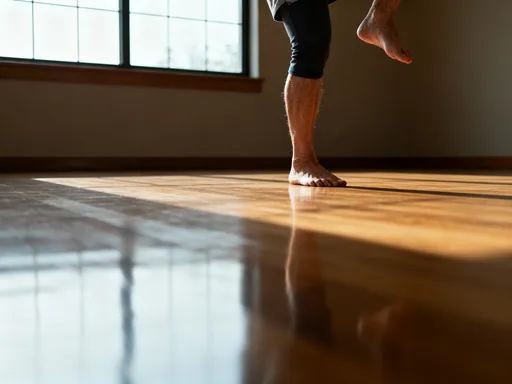
Another essential exercise is the **single-leg stand**. Stand near a sturdy chair or wall and lift one foot off the ground, balancing on the other leg. Start with short durations—5 to 10 seconds—and gradually increase as balance improves. Focus on keeping your posture tall, your hips level, and your gaze forward. This movement strengthens the ankle stabilizers and challenges the brain to integrate sensory feedback. For added difficulty, try closing your eyes (only if safe) or standing on a slightly soft surface like a folded towel.
The **sit-to-stand** drill is excellent for building lower body strength and coordination. Sit in a firm chair with your feet flat on the floor. Without using your hands, rise to a standing position, then slowly lower yourself back down. This movement engages the quadriceps, glutes, and core, all critical for balance during daily activities like getting up from a sofa or exiting a car. Begin with multiple repetitions using light support if needed, then work toward performing the movement independently.
Finally, **weight shifts** are a gentle yet effective way to improve balance control. Stand with feet shoulder-width apart and slowly shift your weight from side to side, then forward and backward, keeping your heels and toes in contact with the floor. This helps train the body to manage shifts in center of gravity, a skill essential for avoiding falls when reaching or turning. Perform this exercise in front of a mirror to monitor posture, or use a wall for light support. Over time, these foundational exercises lay the groundwork for more dynamic movements and real-world stability.
Leveling Up: Dynamic Drills for Real-World Resilience
Once foundational balance skills are established, the next phase involves dynamic drills that mimic the unpredictable nature of everyday movement. These exercises challenge the body to adapt quickly, improving reaction time, coordination, and confidence in real-life situations. The goal is not to master difficult poses, but to prepare the body for the small surprises that occur during routine activities—like a slippery floor, a sudden turn, or an uneven sidewalk.
One effective progression is the **tandem stance with head turns**. Stand in a heel-to-toe position and slowly turn your head from side to side while maintaining balance. This disrupts visual input, forcing the vestibular and proprioceptive systems to work harder to stabilize the body. It’s a practical simulation of what happens when you look over your shoulder while walking. Begin with slow, controlled movements and use support as needed. Over time, this drill enhances the brain’s ability to integrate conflicting sensory signals, a key component of fall prevention.
Another valuable exercise is **standing on soft or unstable surfaces**. Try balancing on a foam pad, folded blanket, or balance disc. These surfaces reduce sensory feedback from the feet, requiring greater muscle activation and fine motor control. Start with two feet and progress to single-leg stands as ability improves. This type of training is especially helpful for navigating grass, gravel, or carpeted stairs—surfaces that challenge stability more than flat, hard floors.
**Step-ups** are excellent for building strength and coordination. Use a low, sturdy step or platform and step up with one foot, followed by the other, then step back down in reverse. This movement strengthens the hips and legs while improving rhythm and timing. It directly translates to climbing stairs or curbs safely. Focus on controlled motion—avoid rushing—and ensure the step height is appropriate to prevent strain.
**Controlled reaches** add a functional dimension to balance training. Stand in place and slowly reach forward, to the side, or overhead while maintaining your stance. This simulates real actions like grabbing a pot from a shelf or lifting a bag. The challenge lies in keeping your center of gravity over your base of support. Begin with small ranges of motion and increase as stability improves. These drills not only build physical resilience but also restore confidence in performing everyday tasks without fear.
Beyond the Exercises: Daily Habits That Support Recovery
Balanced movement isn’t built in isolation—it’s supported by daily habits that create a foundation for long-term success. While structured exercises are essential, integrating small, intentional practices into your routine amplifies their impact. These lifestyle adjustments don’t require major overhauls, but they significantly enhance safety, awareness, and physical readiness.
Footwear plays a surprisingly powerful role in stability. Wearing supportive, well-fitting shoes with non-slip soles can make a meaningful difference, especially on smooth or uneven surfaces. Avoid walking in socks or slippers indoors, as they reduce traction and sensory feedback from the feet. Choose shoes with a low heel and firm arch support to promote proper alignment and reduce strain on joints.
Home safety is another critical factor. Simple changes—like removing loose rugs, securing cords, improving lighting in hallways and stairwells, and installing grab bars in the bathroom—can prevent accidents and reduce anxiety about falling. These modifications create a safer environment where you can practice balance with confidence, knowing that risks are minimized.
Staying active throughout the day also supports recovery. Prolonged sitting dulls circulation, stiffens joints, and weakens muscles. Try to stand up and move every hour, even if only for a few minutes. Gentle activities like walking around the house, stretching, or gardening keep the body engaged and reinforce balance skills in natural settings.
Nutrition, hydration, and sleep indirectly influence balance by supporting nerve function, muscle health, and cognitive processing. Staying well-hydrated helps maintain blood pressure and prevents dizziness. A balanced diet rich in protein, vitamins, and minerals supports muscle repair and energy levels. Quality sleep allows the brain to consolidate motor learning, making exercise gains more effective. While these habits may seem unrelated to balance, they form the background conditions that enable recovery to thrive.
Finally, weaving balance practice into daily routines makes it sustainable. Try standing on one leg while brushing your teeth, waiting in line, or stirring a pot. These micro-practices reinforce stability without requiring extra time. Over time, they become second nature, embedding balance awareness into the fabric of your day.
When to Seek Help and How to Stay Safe
While self-guided balance training can be highly effective, there are times when professional guidance is essential. Recognizing warning signs ensures that recovery remains safe and appropriate to your individual needs. If you experience persistent dizziness, pain during movement, or a noticeable worsening of instability, it’s important to consult a healthcare provider. These symptoms may indicate underlying conditions—such as inner ear disorders, neurological issues, or musculoskeletal injuries—that require specialized evaluation and treatment.
Working with a physical therapist or certified rehabilitation specialist offers significant advantages. These professionals can conduct a thorough assessment of your balance, strength, and mobility, then design a personalized program tailored to your goals and limitations. They can also correct form, introduce appropriate progressions, and help you avoid overexertion. For individuals recovering from surgery, stroke, or significant injury, guided rehab is often the safest and most effective path to recovery.
It’s also important to practice safely during home exercises. Always perform balance drills near a sturdy support—like a countertop, wall, or chair—so you can steady yourself if needed. Avoid training on slippery or cluttered surfaces. If you feel fatigued or unwell, skip the session or reduce intensity. Listening to your body prevents setbacks and builds sustainable habits.
Remember, balance training is not about pushing through discomfort or proving strength. It’s about building confidence through smart, gradual progress. Professional support doesn’t mean you’re failing—it means you’re investing in your long-term well-being. Whether you work with a therapist or follow a self-guided plan, the goal remains the same: to move with greater control, safety, and freedom.
Regaining balance isn’t about dramatic overhauls—it’s built through small, consistent actions grounded in science and self-awareness. This journey isn’t just physical; it’s about reclaiming confidence and freedom in movement. With the right approach, anyone can improve stability, reduce fall risk, and feel more in control. The path to better balance starts not with perfection, but with practice, patience, and purpose.